Blog

  • The Ultimate Guide to Flexible Dieting with Macro-Counted Recipes

    You’ve tried cutting out entire food groups. You’ve sworn off carbs, then fats, then sugar. Each time, the diet works for a few weeks before you crack and eat an entire pizza in one sitting. The problem isn’t your willpower. The problem is the diet itself.

    Flexible dieting changes everything. Instead of banning foods, you count macros. Instead of rigid meal plans, you get freedom within structure. Instead of failing after two weeks, you build habits that last years.

    Key Takeaway

    Flexible dieting lets you eat any food as long as it fits your daily protein, carb, and fat targets. You calculate your macros based on your goals, track your intake, and adjust as needed. This approach prevents burnout, supports muscle growth or fat loss, and teaches you how food actually works instead of what to fear. No food is off limits when your numbers add up.

    Understanding macros and why they matter

    Macros are macronutrients: protein, carbohydrates, and fats. Every food you eat contains some combination of these three building blocks. Your body needs all of them to function, build muscle, burn fat, and recover from workouts.

    Protein builds and repairs muscle tissue. Carbs fuel your workouts and brain function. Fats support hormone production and nutrient absorption.

    Counting macros means tracking grams of each instead of just calories. Two meals can have identical calorie counts but wildly different macro profiles. A 400-calorie breakfast of eggs and oatmeal hits your protein and carb targets. A 400-calorie muffin leaves you hungry an hour later because it’s mostly fat and sugar with minimal protein.

    What are macros and why do they matter more than calories? breaks down the science in more detail, but here’s what you need to know right now.

    Each gram of protein contains 4 calories. Each gram of carbs contains 4 calories. Each gram of fat contains 9 calories. When you know your macro targets, you can reverse engineer any meal to fit your plan.

    How to calculate your personal macro targets

    Your macro needs depend on your body weight, activity level, and goals. A 150-pound person trying to lose fat needs different numbers than a 200-pound person trying to build muscle.

    Here’s the step-by-step process:

    1. Calculate your total daily energy expenditure (TDEE) using an online calculator. Input your age, weight, height, and activity level.
    2. Adjust calories based on your goal. Subtract 300-500 calories for fat loss. Add 200-300 calories for muscle gain. Stay at maintenance if you want to recomp.
    3. Set protein first. Aim for 0.8 to 1 gram per pound of body weight. Protein preserves muscle during a cut and builds it during a bulk.
    4. Set fat second. Aim for 0.3 to 0.4 grams per pound of body weight. Never drop below 0.25 grams per pound or your hormones will suffer.
    5. Fill remaining calories with carbs. Whatever’s left after protein and fat gets allocated to carbohydrates.

    Let’s say you’re a 160-pound person eating 2,000 calories per day for fat loss.

    • Protein: 160g × 4 calories = 640 calories
    • Fat: 55g × 9 calories = 495 calories
    • Carbs: (2,000 – 640 – 495) ÷ 4 = 216g

    Your daily targets become 160g protein, 216g carbs, 55g fat.

    How to calculate your macros for fat loss and muscle gain walks through more detailed examples for different body types and goals.

    Setting up your tracking system

    You can’t manage what you don’t measure. Tracking macros requires a food scale, a tracking app, and about five minutes per meal.

    Download MyFitnessPal, Cronometer, or MacrosFirst. All three let you scan barcodes, save custom meals, and track your daily totals. Pick one and stick with it for at least 30 days before switching.

    Buy a digital food scale that measures in grams. Eyeballing portion sizes leads to underestimating by 20 to 40 percent. You think you ate 4 ounces of chicken. You actually ate 6.

    Here’s how to track efficiently:

    • Weigh everything raw when possible. Cooked weights vary based on water retention and cooking method.
    • Create custom meals for recipes you make often. Save your macro-friendly meal prep staples so you don’t re-enter them weekly.
    • Pre-log your day each morning. Plan your meals in advance so you know exactly what fits.
    • Leave a 100-calorie buffer for tracking errors. You’ll never be 100 percent accurate, so build in wiggle room.

    The first week feels tedious. By week three, you’ll track a full day in under 10 minutes.

    Building balanced meals that hit your numbers

    Knowing your macro targets means nothing if you can’t build actual meals around them. Most beginners struggle because they don’t understand food composition.

    Here’s a simple framework for building any meal:

    Start with protein. Choose your protein source first. Chicken breast, ground turkey, eggs, Greek yogurt, protein powder, tofu, or fish. This anchors the meal.

    Add carbs based on timing. If you’re eating before or after a workout, load up on carbs. Rice, potatoes, oats, bread, pasta, or fruit. If it’s a rest day meal, reduce carbs slightly.

    Include fats strategically. Olive oil, avocado, nuts, cheese, or fatty fish. Remember that many protein sources already contain fat, so adjust accordingly.

    Fill with vegetables. Greens, peppers, broccoli, cauliflower, or any non-starchy vegetable. These add volume, fiber, and micronutrients without blowing your macros.

    Let’s say you need a lunch with 40g protein, 50g carbs, and 15g fat.

    • 6 oz grilled chicken breast: 40g protein, 0g carbs, 3g fat
    • 1 cup cooked white rice: 5g protein, 45g carbs, 0g fat
    • 1 cup steamed broccoli: 3g protein, 6g carbs, 0g fat
    • 1 tbsp olive oil for cooking: 0g protein, 0g carbs, 14g fat

    Total: 48g protein, 51g carbs, 17g fat. Close enough.

    How to build a clean eating meal plan that actually fits your macros shows you how to structure full days of eating using this method.

    Common mistakes that sabotage your progress

    Most people fail at flexible dieting because they misunderstand the fundamentals. Here are the mistakes that stall results.

    Mistake Why It Hurts The Fix
    Ignoring protein Muscle loss during cuts, poor recovery after workouts Hit protein target daily before anything else
    Eating too little fat Hormone disruption, low energy, poor nutrient absorption Never drop below 0.25g per pound of body weight
    Forgetting to track vegetables Overestimate calorie burn, underestimate intake Log everything, even lettuce
    Changing targets weekly Body never adapts, impossible to assess progress Stick with same macros for 3-4 weeks minimum
    Treating it like a cheat code Hitting macros with junk food only, ignoring micronutrients Follow the 80/20 rule: 80% whole foods, 20% flexibility

    The biggest mistake? Thinking flexible dieting means eating donuts for breakfast because they fit your macros. Technically true. Practically stupid.

    Your body needs vitamins, minerals, and fiber. You can’t get those from Pop-Tarts. Build most meals from whole foods, then use your remaining macros for treats.

    Why your high protein diet isn’t working covers additional pitfalls that prevent muscle growth even when protein intake looks adequate on paper.

    Making flexible dieting work with meal prep

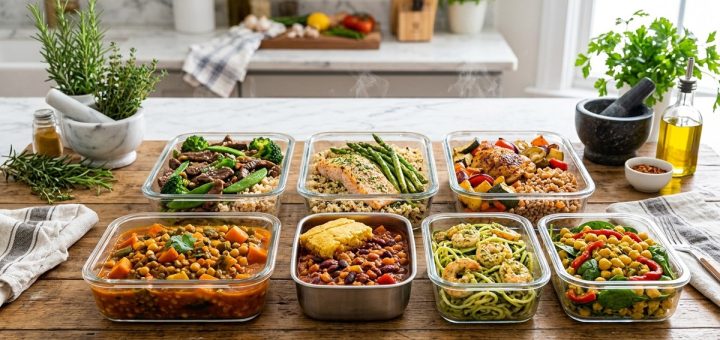
    Tracking macros gets exponentially easier when you prep meals in advance. You weigh and log everything once, then eat the same portions all week.

    Here’s a simple meal prep strategy:

    • Pick 2-3 protein sources. Chicken breast, ground beef, and salmon cover most preferences.
    • Choose 2-3 carb sources. Rice, sweet potatoes, and oats give you variety.
    • Select 1-2 fat sources. Olive oil and avocado work for most meals.
    • Prep 5-7 vegetable servings. Roasted broccoli, sautéed peppers, or fresh salad greens.

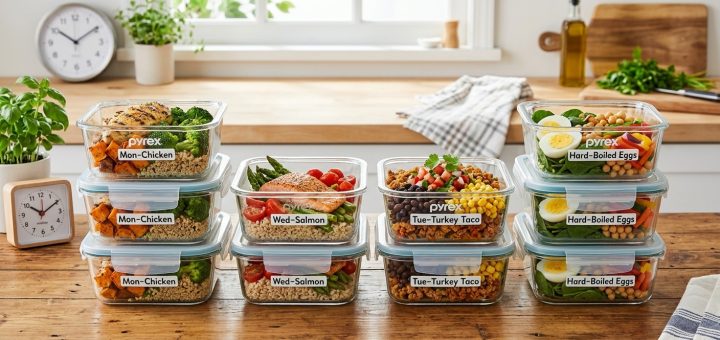
    Cook everything on Sunday. Weigh each component. Divide into containers. Log one container in your tracking app and save it as a custom meal.

    Now you have grab-and-go lunches that hit your macros perfectly. No daily weighing. No decision fatigue. No excuses.

    The ultimate macro-friendly freezer meal prep guide for beginners shows you how to batch cook and freeze meals so you always have options ready.

    Want higher protein specifically? How to meal prep 150g protein daily without getting bored gives you exact recipes and strategies.

    Adjusting your macros as you progress

    Your macro needs change as your body changes. What works for the first month won’t work forever.

    Your metabolism adapts to calorie restriction. After 6-8 weeks of dieting, your body burns fewer calories at rest. You need to either reduce intake further or increase activity to keep losing fat.

    Here’s when and how to adjust:

    If fat loss stalls for 2+ weeks: Reduce calories by 100-200 per day. Take it mostly from carbs or fats, never protein.

    If you’re losing more than 1-2 pounds per week: Increase calories slightly. Rapid weight loss means you’re losing muscle along with fat.

    If you’re gaining weight too fast: Reduce surplus by 100 calories. Aim for 0.5-1 pound gained per week during a bulk.

    If strength is dropping: Add 50-100g carbs around your workouts. Low energy during training means insufficient fuel.

    Track your weight daily but judge progress by weekly averages. Your weight fluctuates 2-5 pounds per day based on water retention, sodium intake, and digestion. One bad weigh-in means nothing. A week-long trend means everything.

    Flexible dieting works because it teaches you how food actually affects your body. You stop fearing carbs and start understanding energy balance. You stop avoiding social events and start planning around them. You stop dieting and start living.

    Handling social situations and dining out

    The beauty of flexible dieting is that nothing is off limits. You can eat at restaurants, attend parties, and enjoy holidays without derailing progress.

    Here’s how to stay on track:

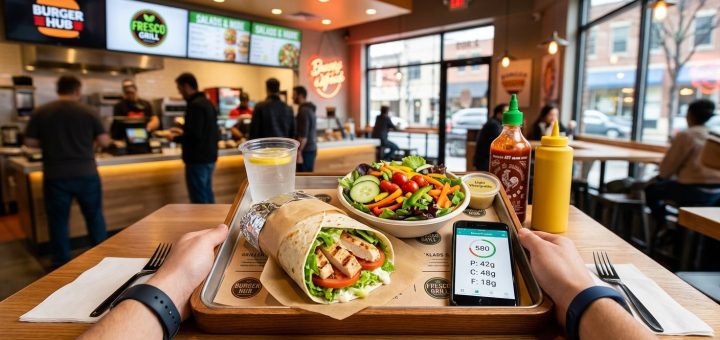
    Look up the menu before you go. Most chain restaurants publish nutrition info online. Pre-log your meal so you know it fits.

    Make simple swaps. Ask for grilled instead of fried. Request dressing on the side. Substitute vegetables for fries.

    Estimate when exact numbers aren’t available. Local restaurants without nutrition data require educated guessing. Overestimate by 10-20 percent to account for extra oil and butter.

    Save macros for later. If you’re eating a big dinner out, reduce carbs and fats at breakfast and lunch. Bank those macros for your evening meal.

    Accept imperfection. One meal won’t ruin your progress. One day won’t either. Get back on track the next day without guilt or restriction.

    What to cook when you have zero energy after the gym includes simple recipes for those nights when cooking feels impossible and takeout tempts you.

    Incorporating treats without guilt

    Flexible dieting lets you eat ice cream, pizza, or cookies as long as they fit your daily macros. This is the part that confuses people.

    Yes, you can eat dessert. No, you shouldn’t eat only dessert.

    Here’s the practical approach:

    • Hit your protein target first. Non-negotiable.
    • Eat mostly whole foods for 80 percent of your intake. Vegetables, fruits, lean proteins, whole grains, and healthy fats.
    • Use the remaining 20 percent for foods you love. That’s 400 calories per day on a 2,000-calorie diet.

    A serving of ice cream contains roughly 200-300 calories. If it fits your remaining macros after eating balanced meals all day, enjoy it.

    The mental freedom this creates matters more than the ice cream itself. You’re not “cheating.” You’re not “being bad.” You’re eating a food you enjoy within a structured plan.

    30 high protein snacks that actually taste like treats gives you options that satisfy cravings while contributing to your protein target.

    Tracking progress beyond the scale

    The scale measures total body weight. It doesn’t distinguish between fat, muscle, water, or food in your digestive system.

    Use multiple metrics to assess progress:

    • Progress photos every 2 weeks. Same lighting, same time of day, same clothing. Visual changes appear before scale changes.
    • Body measurements monthly. Waist, hips, chest, arms, and thighs. Losing inches while weight stays stable means you’re building muscle and losing fat simultaneously.
    • Strength in the gym. Are your lifts going up? You’re doing something right.
    • How your clothes fit. Jeans getting looser? That’s progress.
    • Energy levels throughout the day. Proper macro balance means stable energy without crashes.

    The scale is one data point among many. Don’t let it dictate your self-worth or determine whether you had a successful week.

    Dealing with plateaus and adaptation

    Every diet hits a plateau eventually. Your body adapts to reduced calories by lowering metabolic rate, reducing spontaneous movement, and becoming more efficient at storing energy.

    When progress stalls, you have three options:

    Option 1: Diet break. Eat at maintenance calories for 1-2 weeks. This resets hormones, restores energy, and prepares you for another fat loss phase.

    Option 2: Increase activity. Add 2-3 cardio sessions per week or increase daily steps by 2,000-3,000.

    Option 3: Reduce calories further. Only do this if you’re eating above 1,500 calories per day (women) or 1,800 calories per day (men). Never drop below these minimums.

    Most people benefit from option 1. Taking a planned break prevents burnout and often leads to better long-term results than grinding through a plateau.

    Are you making these 7 low carb diet mistakes that stall your progress? addresses common issues that prevent fat loss even when calories appear appropriate.

    Building sustainable habits for long-term success

    Flexible dieting works because it’s sustainable. You learn skills instead of following rules. You understand food instead of fearing it.

    Here’s how to make it last:

    • Track consistently for 90 days minimum. This builds the habit and teaches you portion sizes. After three months, you’ll be able to estimate reasonably well.
    • Prep meals in batches. Reduce daily decision fatigue by having ready-made options available.
    • Find protein sources you actually enjoy. If you hate chicken breast, eat ground turkey, fish, or Greek yogurt instead.
    • Build a rotation of 10-15 meals. You don’t need variety every single day. Find what works and repeat it.
    • Allow flexibility within structure. Hit your macros but don’t stress about being within 5g of perfect every single day.

    The goal isn’t to track macros forever. The goal is to learn how different foods affect your body so you can make informed choices without obsessing.

    Sunday meal prep blueprint gives you a complete system for preparing a full week of meals in one afternoon.

    Why this approach actually works

    Flexible dieting succeeds where other diets fail because it addresses the psychological reasons people quit.

    You’re not restricting entire food groups. You’re not avoiding social situations. You’re not labeling foods as good or bad. You’re simply managing portions and balance.

    This removes the guilt, shame, and restriction that typically accompany dieting. You can eat birthday cake at your kid’s party. You can have pizza on Friday night. You can enjoy a beer after work.

    The structure prevents overeating. The flexibility prevents burnout. The combination creates sustainable results.

    Start with your protein target. Build meals around whole foods. Track everything for at least 30 days. Adjust based on results. Be patient with the process.

    Your body will change. Your relationship with food will change. Your confidence in the kitchen will change. That’s when flexible dieting stops being a diet and becomes simply how you eat.

  • Clean Eating on a Budget: How to Afford Whole Foods Without Breaking the Bank

    Whole foods don’t have to drain your bank account. The myth that eating clean requires expensive organic labels and specialty stores keeps too many people trapped in a cycle of processed foods and takeout. The truth? You can fill your kitchen with nutritious, unprocessed ingredients while spending less than you do now.

    Key Takeaway

    Clean eating on a budget centers on strategic shopping, smart meal planning, and choosing affordable whole foods like beans, oats, and seasonal produce. By buying in bulk, preparing meals at home, and avoiding convenience packaging, you can reduce grocery costs by 30-50% while improving diet quality. Success comes from planning ahead, not perfection.

    Understanding the Real Cost of Clean Eating

    Most people overestimate the price difference between clean and processed foods.

    A box of sugary cereal costs $4 to $6 and lasts maybe a week. A canister of oats costs $3 and provides 30 servings. Pre-made frozen dinners run $5 to $8 each. A whole chicken costs $7 and yields four to six meals.

    The perception problem stems from comparing individual item prices rather than cost per meal or cost per serving.

    Processed foods hide their true expense in convenience packaging, marketing costs, and shorter satiety windows. You eat more because the food doesn’t satisfy you. That drives up total spending.

    Whole foods require more prep time but deliver better nutrition per dollar. They keep you full longer. They prevent the afternoon vending machine run or the evening takeout order.

    Budget-Friendly Whole Food Staples That Deliver

    Some whole foods punch way above their weight class in terms of nutrition per dollar.

    Protein sources under $3 per pound:

    • Whole chickens
    • Chicken thighs
    • Ground turkey
    • Canned tuna
    • Eggs
    • Dried beans
    • Lentils

    Carbohydrate sources under $2 per pound:

    • Oats
    • Brown rice
    • Sweet potatoes
    • Regular potatoes
    • Bananas
    • Frozen vegetables

    Healthy fats under $10 per pound:

    • Peanut butter
    • Sunflower seeds
    • Olive oil (bought in larger bottles)

    These staples form the foundation of thousands of meal combinations. They store well. They cook easily. They taste good.

    Start with what you can afford and build from there. Perfection isn’t the goal. Consistency is.

    Strategic Shopping Habits That Cut Costs

    Your grocery store strategy matters more than which store you choose.

    1. Shop the perimeter first

    Whole foods live around the store edges. Produce, meat, dairy, and eggs rarely appear in center aisles. Fill 80% of your cart from perimeter sections.

    The middle aisles house processed foods with higher markups and lower nutritional value. You’ll save money and eat better by avoiding them.

    2. Buy seasonal produce

    Strawberries cost $6 per pound in January and $2 per pound in June. Butternut squash costs $0.79 per pound in October and $2.49 in April.

    Seasonal produce tastes better, costs less, and supports local farms. Learn what grows when in your region and adjust your meal plans accordingly.

    3. Choose frozen over fresh for some items

    Frozen vegetables and fruits get picked at peak ripeness and flash frozen. They retain more nutrients than fresh produce that traveled 2,000 miles over two weeks.

    Frozen options cost 30-50% less than fresh equivalents. They last months instead of days. They eliminate waste from spoilage.

    4. Buy whole, not pre-cut

    Pre-cut vegetables cost 2 to 3 times more than whole versions. Someone else did 30 seconds of knife work and charged you $3 extra.

    A whole head of cauliflower costs $2.50. Pre-cut florets cost $5.99 for the same amount. Buying whole saves you $140 per year on just that one vegetable.

    5. Compare unit prices, not package prices

    A 16-ounce container of yogurt might cost $4 while a 32-ounce container costs $6. The larger size costs less per ounce but requires more upfront cash.

    Check the shelf tags. Most stores display price per ounce or per pound. This reveals the actual value.

    Building a Meal Plan That Prevents Waste

    Food waste destroys budgets faster than expensive ingredients.

    Americans throw away 30-40% of their food supply. That’s like lighting $40 to $60 on fire every week.

    Planning prevents waste by ensuring every ingredient serves multiple purposes.

    Step-by-step meal planning process:

    1. Check your pantry and refrigerator first
    2. List ingredients you already own
    3. Plan three to four dinner recipes using those ingredients
    4. Add breakfast and lunch components
    5. Write a shopping list for missing items only
    6. Stick to the list at the store

    This approach cuts impulse purchases and ensures nothing sits unused until it spoils.

    When planning your meal prep for the week, choose recipes that share ingredients. If you buy cilantro for tacos, plan a stir-fry that uses cilantro too. If you roast a chicken, plan soup using the bones and leftover meat.

    Cooking Methods That Stretch Your Dollar

    How you cook matters as much as what you cook.

    Batch cooking transforms expensive proteins into affordable meals. A $7 whole chicken becomes:

    • Monday: Roasted chicken with vegetables
    • Tuesday: Chicken tacos
    • Wednesday: Chicken fried rice
    • Thursday: Chicken soup from bones and scraps

    That’s four dinners for $7, or $1.75 per meal.

    Slow cookers and pressure cookers turn cheap, tough cuts into tender, delicious meals. A $3 per pound chuck roast becomes pot roast, shredded beef, or stew meat.

    Sheet pan cooking reduces cleanup time and energy costs. Everything cooks together at one temperature. Less hassle means you’re more likely to cook instead of ordering takeout.

    One-pan recipes that reheat well become your secret weapon for busy weeks.

    Smart Substitutions That Maintain Quality

    You don’t need every trendy superfood to eat clean.

    Expensive Option Affordable Substitute Savings
    Quinoa ($6/lb) Brown rice ($1.50/lb) 75%
    Almond butter ($12/lb) Peanut butter ($3/lb) 75%
    Fresh berries ($5/lb) Frozen berries ($2/lb) 60%
    Salmon ($15/lb) Canned tuna ($2/lb) 87%
    Kale ($3/bunch) Cabbage ($0.50/lb) 83%
    Coconut oil ($10/jar) Olive oil ($8/bottle) 20%

    These substitutions deliver similar nutritional profiles at a fraction of the cost. Your body can’t tell the difference between vitamin C from kale versus cabbage.

    Protein powder costs $1 to $2 per serving. Eggs cost $0.15 to $0.25 per serving and provide similar protein content. High-protein meals using whole foods often cost less than supplement-heavy approaches.

    When to Buy Organic and When to Skip It

    Organic labels increase costs by 20-100% depending on the product.

    Not all organic purchases deliver equal value. Some conventionally grown foods have minimal pesticide residue. Others absorb more chemicals and warrant the organic upgrade.

    Prioritize organic for:

    • Strawberries
    • Spinach
    • Apples
    • Grapes
    • Peaches
    • Tomatoes

    Skip organic for:

    • Avocados
    • Sweet corn
    • Pineapples
    • Onions
    • Frozen peas
    • Bananas

    The thick skins on the second list protect the edible portions from pesticide exposure. You peel or remove the outer layer anyway.

    Organic meat and dairy matter more than organic produce. Conventionally raised animals receive antibiotics and growth hormones that transfer to the meat and milk. If budget forces choices, prioritize organic animal products over organic plants.

    Bulk Buying Without Overbuying

    Bulk sections save money when used correctly.

    Buying a 25-pound bag of rice makes sense if you eat rice three times per week. It makes no sense if rice sits in your pantry for three years collecting dust.

    Calculate your actual consumption rate before committing to bulk purchases. How many servings do you eat per week? How long will the bulk quantity last?

    Smart bulk purchases:

    • Oats (if you eat oatmeal regularly)
    • Rice (for frequent meal prep)
    • Dried beans (they last indefinitely)
    • Nuts and seeds (store in freezer)
    • Spices (from ethnic markets, not grocery stores)

    Skip bulk for:

    • Fresh produce (unless freezing immediately)
    • Items you’ve never tried
    • Products with short shelf lives
    • Foods you eat occasionally

    Splitting bulk purchases with friends or family reduces upfront costs and prevents waste. A 10-pound bag of almonds costs $40 but splits into five 2-pound portions at $8 each.

    Meal Prep Strategies That Save Time and Money

    Dedicating two to three hours on Sunday prevents weeknight takeout temptation.

    Prepping an entire week of lunches eliminates the daily decision fatigue that leads to expensive convenience choices.

    Cook once, eat multiple times. This principle drives budget-friendly meal prep.

    Prepare these components in bulk:

    • 3 pounds of protein (chicken, ground turkey, or beans)
    • 4 cups of grains (rice, quinoa, or pasta)
    • 6 cups of roasted vegetables
    • 2 to 3 sauces or dressings

    Mix and match throughout the week. Monday’s chicken and rice becomes Tuesday’s chicken tacos with different seasonings. Wednesday’s rice bowl uses the same base with new vegetables and sauce.

    Freezer-friendly meals extend your prep efforts even further. Double every recipe and freeze half. Future you will thank present you.

    Common Mistakes That Inflate Grocery Bills

    Even budget-conscious shoppers make expensive errors.

    Shopping while hungry increases spending by 15-30%. Your brain sees everything as necessary when your stomach is empty. Eat before you shop.

    Buying individual portions costs 2 to 4 times more than buying larger sizes and portioning yourself. Single-serve yogurt cups, individually wrapped cheese sticks, and pre-portioned snacks destroy budgets.

    Ignoring store brands wastes money on packaging and marketing. Most store brands come from the same factories as name brands. The formula is identical. You’re paying extra for the label.

    Throwing away leftovers negates all your careful shopping. If you consistently have food waste, you’re buying too much or not planning well enough. Scale back purchases until waste disappears.

    Making Clean Eating Work for Your Family

    Kids and partners might resist the switch to whole foods.

    Start gradually. Replace one processed item per week with a whole food alternative. Swap sugary cereal for oatmeal with fruit. Trade chips for air-popped popcorn. Exchange frozen pizza for homemade using whole wheat dough.

    Involve family members in meal planning and preparation. People eat what they help create. Kids who wash lettuce or stir sauce feel invested in the meal.

    Keep some convenience items for genuinely busy nights. Frozen vegetables, canned beans, and rotisserie chicken bridge the gap between perfect meal prep and ordering takeout.

    Understanding your macro needs helps you make better choices within your budget. You don’t need expensive supplements when whole foods provide the same nutrients.

    Building Your Budget-Friendly Pantry

    A well-stocked pantry prevents emergency takeout orders.

    Start with these essentials:

    • Olive oil
    • Salt and pepper
    • Garlic powder
    • Onion powder
    • Dried oregano
    • Dried basil
    • Cumin
    • Chili powder
    • Canned tomatoes
    • Canned beans
    • Rice
    • Oats
    • Flour

    These ingredients combine to create hundreds of meals. Add fresh proteins and vegetables weekly, but keep the pantry stocked with shelf-stable staples.

    Ethnic markets sell spices for 50-75% less than traditional grocery stores. A jar of cumin costs $6 at a chain supermarket and $1.50 at an Indian or Mexican market.

    Essential pantry items for clean eating provide the foundation for any healthy meal plan.

    Tracking Spending Without Obsessing

    Awareness changes behavior more than restriction.

    Keep grocery receipts for one month. At the end, categorize purchases:

    • Whole foods (produce, meat, eggs, dairy, grains)
    • Processed foods (boxed, bagged, frozen meals)
    • Beverages (soda, juice, alcohol)
    • Convenience items (pre-cut, single-serve, prepared)

    Most people discover 40-60% of their grocery budget goes to processed and convenience items. That’s the money you can redirect toward higher-quality whole foods.

    You don’t need to track forever. One month of awareness reveals patterns. Adjust based on what you learn, then check in quarterly to ensure you’re maintaining progress.

    Your Clean Eating Budget Action Plan

    Stop waiting for the perfect moment or the bigger paycheck.

    Start this week with one change. Buy whole chicken instead of chicken breasts. Choose frozen vegetables over fresh. Make oatmeal instead of buying cereal.

    Each small shift compounds over time. Six months from now, you’ll look back and realize you’re eating better food, spending less money, and feeling healthier.

    The goal isn’t perfection. The goal is progress. Your budget and your body will both thank you for choosing whole foods more often than processed alternatives. Clean eating becomes sustainable when it fits your wallet as well as your values.

  • Macro-Friendly Meal Prep: 5 Days of Perfectly Balanced Lunches

    Tracking macros is one thing. Actually eating those macros every single day without losing your mind is another.

    You know the drill. Monday starts strong. By Wednesday, you’re staring at the same sad chicken and rice for the fourth time. Thursday rolls around and suddenly that drive-through starts looking real appealing.

    The problem isn’t your willpower. It’s your system.

    Key Takeaway

    Macro friendly meal prep works when you balance protein, carbs, and fats in portable containers that stay fresh for days. Choose simple proteins like chicken or ground turkey, pair them with complex carbs and vegetables, prep in batches on one day, and store properly. This approach saves time, hits nutrition targets consistently, and prevents the midweek diet derailment that kills progress.

    What makes a meal actually macro friendly

    Most people think macro friendly just means high protein. Not quite.

    A truly balanced meal gives you all three macronutrients in portions that match your specific goals. That means adequate protein for muscle recovery, enough carbs to fuel your training, and healthy fats for hormone production and satiety.

    The exact ratios change based on whether you’re cutting, maintaining, or building muscle. But the principle stays the same. Each meal should contribute to your daily macro targets without leaving you hungry an hour later.

    Here’s what that looks like in practice:

    • Protein source that’s lean and easy to reheat
    • Complex carbohydrate that provides sustained energy
    • Fibrous vegetables for volume and micronutrients
    • Small amount of healthy fat for flavor and fullness

    The beauty of how to calculate your macros for fat loss and muscle gain is that once you know your numbers, you can build any meal around them.

    Why most meal prep fails by day three

    You’ve probably experienced this. Sunday evening, you cook everything. Portion it out. Feel like a champion.

    Tuesday afternoon, things start going sideways.

    The meals don’t taste as good. The texture is off. You’re already sick of eating the same thing. By Thursday, those containers are getting pushed to the back of the fridge while you “just grab something.”

    This happens for three specific reasons:

    1. You prepped food that doesn’t reheat well. Not all proteins and carbs survive five days in the fridge. Grilled chicken breast turns into rubber. Pasta gets mushy. Leafy greens wilt into sadness.

    2. You made everything the same. Eating identical meals seven times in a row isn’t meal prep. It’s punishment. Your brain needs variety or it rebels.

    3. You didn’t account for real life. Meetings run late. Friends invite you out. Your Tuesday looks nothing like your Sunday. Rigid meal prep can’t flex with your actual schedule.

    The solution isn’t to give up on prep. It’s to prep smarter.

    Proteins that actually survive the week

    Not all protein sources are created equal when it comes to meal prep longevity.

    Ground turkey and ground beef hold up better than whole chicken breasts. Baked salmon stays moist longer than most white fish. Hard boiled eggs are basically indestructible.

    Here’s a comparison of how different proteins perform:

    Protein Source Fridge Life Reheating Quality Prep Difficulty
    Ground turkey 4-5 days Excellent Easy
    Chicken thighs 4-5 days Very good Easy
    Chicken breast 3-4 days Fair Medium
    Baked salmon 3-4 days Good Easy
    Hard boiled eggs 5-7 days N/A (eat cold) Very easy
    Lean steak 3-4 days Good Medium
    Shrimp 2-3 days Fair Easy

    Ground proteins win for meal prep because they stay moist and absorb flavors well. Season them differently each batch and you’ve got built-in variety.

    Chicken thighs beat breasts every time. The extra fat keeps them tender. Yes, slightly higher calories, but the difference in eating experience is worth adjusting your other macros slightly.

    If you’re prepping breakfast too, how to meal prep 20 high-protein breakfasts in under 2 hours covers egg-based options that last all week.

    Carbs that don’t turn to mush

    Rice is fine. But if you’re eating it five days straight, you’ll want to quit by Wednesday.

    Sweet potatoes, regular potatoes, and quinoa all reheat beautifully. Pasta gets tricky unless you slightly undercook it initially.

    Here’s the thing about carbs in meal prep: texture matters as much as macros.

    Roasted potatoes maintain their structure. White rice can get sticky or dry depending on your microwave. Brown rice holds up better but takes longer to cook initially.

    My go-to carb rotation:

    • Monday/Tuesday: Sweet potato cubes, roasted with a bit of oil and paprika
    • Wednesday/Thursday: White or brown rice, stored separately and added fresh if possible
    • Friday: Quinoa or regular potatoes for variety

    Storing carbs separately from proteins and reheating them together gives you more control over texture. It takes an extra 30 seconds. Worth it.

    For lower carb approaches, 30 low carb meal prep recipes that actually keep you full all week shows how to build satisfying meals without relying on grains.

    The five container method that prevents boredom

    Here’s the system that changed everything for me.

    Instead of making five identical meals, prep five different meals on Sunday. Eat them in whatever order sounds good that day.

    Sounds simple. It is. But it works.

    Container 1: Ground turkey taco bowl with black beans, peppers, and salsa

    Container 2: Baked chicken thigh with roasted sweet potato and broccoli

    Container 3: Lean beef with quinoa and green beans

    Container 4: Salmon with regular potato wedges and asparagus

    Container 5: Turkey meatballs with brown rice and zucchini

    Each meal hits similar macro targets but tastes completely different. On Tuesday, if you’re craving something with more flavor, grab the taco bowl. Feeling like something simple? The chicken and sweet potato is there.

    This approach also lets you use one-pan meal prep recipes that actually taste good reheated for easier cleanup while maintaining variety.

    How to prep in under three hours

    Speed matters. If meal prep takes all day, you won’t do it consistently.

    Here’s the timeline that works:

    1. 0:00-0:15 Prep all vegetables. Chop everything you’ll need for the week. Get it done in one shot.

    2. 0:15-0:45 Start proteins. Get everything in the oven or on the stovetop at once. Multiple proteins can cook simultaneously.

    3. 0:45-1:15 Start carbs. Rice cooker, oven-roasted potatoes, whatever you’re using. Set it and move on.

    4. 1:15-2:00 First proteins finish. Pull them out, start any additional proteins if needed.

    5. 2:00-2:30 Everything cools slightly. Start portioning into containers.

    6. 2:30-2:45 Final assembly. Add any toppings, sauces, or items that should stay separate.

    7. 2:45-3:00 Cleanup and storage. Label containers if you’re prepping for multiple people.

    The key is overlap. Don’t wait for one thing to finish before starting another. Your oven, stovetop, and rice cooker can all work at the same time.

    Sunday meal prep blueprint: 3 hours to a week of clean eating success breaks down the exact timing for different meal combinations.

    Storage mistakes that ruin perfectly good food

    You can prep the perfect meal and still waste it with bad storage.

    Glass containers beat plastic for reheating. They don’t absorb smells, don’t stain, and won’t leach anything weird when microwaved.

    But here’s what most people miss: you need to let food cool before sealing it.

    Hot food sealed immediately creates condensation. That moisture makes everything soggy and speeds up spoilage. Let containers sit open for 15-20 minutes before putting lids on.

    “The difference between meal prep that lasts three days versus five often comes down to proper cooling and airtight storage. Give your food time to cool, use quality containers, and keep your fridge at 40°F or below.”

    Store proteins and watery vegetables separately when possible. Tomatoes, cucumbers, and leafy greens release moisture that makes everything else sad.

    Sauces and dressings always go in separate small containers. Always. Add them right before eating.

    If you’re running into spoilage issues, why your meal prep goes bad after 3 days (and how to fix it) covers the science behind food safety and storage.

    Hitting your protein target without eating chicken every day

    Let’s be real. Chicken is cheap and effective. But it’s not the only option.

    If you need 150-200g of protein daily, you’re looking at roughly 30-40g per meal across five meals. That’s doable with variety.

    Here’s how different proteins stack up per 4oz serving:

    • Chicken breast: 35g protein
    • Ground turkey (93/7): 32g protein
    • Lean ground beef (90/10): 28g protein
    • Salmon: 25g protein
    • Shrimp: 24g protein
    • Eggs (2 large): 12g protein

    Mix and match throughout the week. Two meals with chicken, two with ground turkey or beef, one with fish. Breakfast with eggs gets you started.

    You can also boost protein in meals with Greek yogurt-based sauces, cottage cheese mixed into grains, or protein powder added to overnight oats.

    How to meal prep 150g protein daily without getting bored shows specific meal combinations that hit high protein targets with actual variety.

    Vegetables that don’t turn into sad mush

    Broccoli, green beans, and asparagus all reheat well. Spinach and lettuce do not.

    That’s the short version.

    The longer version: vegetables with lower water content maintain texture better. Roasted Brussels sprouts, cauliflower, and bell peppers all work great.

    Zucchini is borderline. It can get watery if overcooked initially. Aim for slightly underdone and it’ll be perfect after reheating.

    Raw vegetables stay in separate containers. Build a salad base, keep it in a large container, and grab a portion each day. Add protein and dressing fresh.

    Roasting vegetables instead of steaming them gives better meal prep results. The slight caramelization adds flavor and the lower moisture content means less sogginess later.

    The freezer is your backup plan

    Not every meal needs to be eaten within five days.

    Prep ten meals instead of five. Eat five fresh, freeze five for the following week or for emergency situations.

    Ground meat dishes freeze exceptionally well. Chili, taco meat, meatballs, bolognese sauce. Make a double batch, freeze half.

    Cooked grains freeze fine too. Portion cooked rice or quinoa into individual servings, freeze flat in bags. They thaw in minutes.

    What doesn’t freeze well:

    • Most raw vegetables (they get mushy)
    • Cream-based sauces (they separate)
    • Fried foods (they get soggy)
    • Foods with high water content like cucumbers or lettuce

    The ultimate macro-friendly freezer meal prep guide for beginners covers exactly which meals freeze well and how to thaw them properly.

    Adjusting macros without starting over

    Your macro needs change. You start a cut. You increase training volume. You have a rest week.

    The beautiful thing about meal prep is you can adjust on the fly without cooking new food.

    Need more carbs? Add a piece of fruit or an extra scoop of rice to your existing meal.

    Need more protein? Keep cooked chicken breast strips or hard boiled eggs ready to add.

    Need more fat? A tablespoon of olive oil, some avocado, or a handful of nuts bumps your fat macros without much effort.

    Need fewer calories overall? Reduce the carb portion, add more vegetables for volume.

    This flexibility means one prep session can serve different macro targets throughout the week. Your Monday meal might have full carbs post-workout. Your Thursday meal might have half the carbs on a rest day.

    What are macros and why do they matter more than calories explains the fundamentals if you’re new to tracking.

    Budget-friendly proteins that don’t sacrifice quality

    Meal prep gets expensive if you’re buying organic chicken breasts and wild-caught salmon for every meal.

    You don’t need to.

    Conventional chicken thighs cost half as much as organic breasts and taste better in meal prep. Ground turkey goes on sale regularly. Eggs are still one of the cheapest protein sources available.

    Canned tuna and canned salmon work for some meals. Not every day, but rotating them in saves money.

    Buying in bulk and freezing works if you have freezer space. Family packs of chicken, ground beef, or pork can be portioned and frozen for months.

    5-day muscle building meal prep on a budget: complete shopping list included shows exactly how to hit protein targets without overspending.

    When to prep and when to cook fresh

    Not every meal needs to be prepped.

    If you work from home, cooking lunch fresh takes 15 minutes and tastes better than reheated food. Prep your dinners instead.

    If you’re slammed Monday through Thursday but have time Friday, prep four days instead of five.

    The goal isn’t to meal prep everything. It’s to meal prep the meals that would otherwise derail you.

    For most people, that’s lunch. You’re at work, hungry, and the options around you don’t fit your macros. That’s when having a prepped meal saves you.

    Dinner might be easier to cook fresh since you’re home and have more time. Or maybe dinner is your danger zone and lunch is easy. Prep what you need.

    15-minute high-protein dinners that actually keep you full covers options for nights when you want fresh food without much effort.

    Common mistakes and how to avoid them

    Mistake Why It Happens Fix
    Making everything identical Seems efficient Prep 3-5 different meals instead
    Overcooking proteins Fear of undercooking Use meat thermometer, pull early
    Sealing hot containers Rushing the process Let food cool 15-20 minutes first
    Forgetting seasoning Focusing only on macros Season each protein differently
    No sauce variety Overlooking importance Prep 2-3 different sauces weekly
    Prepping 7 days at once Trying to do too much Start with 4-5 days maximum

    The overcooking issue is huge. Chicken breast is done at 165°F. Pull it at 160°F and let it rest. It’ll hit 165°F while resting and stay juicy.

    Ground meats are more forgiving but can still dry out. A little fat in the pan helps. Don’t drain all of it unless you’re on an extremely strict cut.

    Making it work with your actual life

    Meal prep isn’t about perfection. It’s about having good options available when you need them.

    Some weeks you’ll prep five perfect meals. Other weeks you’ll prep three and wing the rest. Both are fine.

    The system works because it removes decisions when you’re tired and hungry. Those are the moments when diet plans fall apart.

    You come home exhausted from the gym. You’re starving. If you have to figure out what to eat, cook it, and clean up after, you’re ordering pizza.

    But if you have a container ready to microwave? You eat that. Hit your macros. Move on with your life.

    That’s the real value. Not eating perfectly. Just eating well enough, consistently enough, to make progress.

    Making meal prep actually sustainable

    The biggest meal prep mistake is treating it like a temporary diet phase.

    This isn’t something you do for 12 weeks and then stop. It’s a skill that makes eating well easier forever.

    Start simple. Prep three meals this week. See how it goes. Add a fourth next week if it worked.

    Don’t try to prep breakfast, lunch, dinner, and snacks all at once. Pick one meal. Master it. Then add another.

    Use containers you actually like. Invest in good glass ones if cheap plastic annoys you. Small quality-of-life improvements make you more likely to stick with it.

    Keep a rotation of 10-12 meals you know work. You don’t need infinite variety. You need enough options to prevent boredom.

    And remember, some meals will be better than others. That’s fine. You’re not running a restaurant. You’re feeding yourself nutritious food that supports your goals without taking over your entire life.

    That’s the win. Not perfect meals. Just good enough meals, ready when you need them, hitting your macros consistently enough to see results.

  • 7-Day Clean Eating Challenge for Beginners with Simple Whole Food Recipes

    Starting clean eating feels overwhelming when you’re staring at a fridge full of mystery ingredients and a Pinterest board of complicated recipes. You want to eat better, but between work, workouts, and life, you need something simple that actually works. That’s where a structured week of meals changes everything. No guesswork. No stress. Just real food that fuels your body and fits your schedule.

    Key Takeaway

    This 7 day clean eating meal plan for beginners provides a complete week of whole food meals designed for people new to healthy eating. You’ll get breakfast, lunch, dinner, and snack ideas using simple ingredients, plus a shopping list and prep tips to make the week run smoothly without complicated cooking techniques or expensive specialty foods.

    What clean eating actually means for beginners

    Clean eating isn’t about perfection or cutting out entire food groups.

    It means choosing foods as close to their natural state as possible. Think grilled chicken instead of breaded nuggets. Oatmeal instead of sugary cereal. Fresh vegetables instead of canned versions loaded with sodium.

    You’re not banned from eating carbs or fat. You’re just picking better versions. Sweet potatoes over fries. Avocado over margarine. Brown rice over instant white rice packets.

    The goal is to fill your plate with ingredients you recognize. If you can’t pronounce it or picture where it comes from, it probably doesn’t belong in your cart. For more context on why this approach works, check out what exactly is clean eating and why does it matter for fitness results.

    Your complete 7 day meal plan

    Here’s your week laid out day by day. Each meal uses whole foods and takes 30 minutes or less to prepare.

    Day 1

    Breakfast: Scrambled eggs with spinach and whole grain toast
    Lunch: Grilled chicken salad with mixed greens, cucumbers, cherry tomatoes, and olive oil dressing
    Dinner: Baked salmon with roasted broccoli and quinoa
    Snack: Apple slices with almond butter

    Day 2

    Breakfast: Greek yogurt with fresh berries and a handful of walnuts
    Lunch: Turkey and avocado wrap using whole wheat tortillas with lettuce and tomato
    Dinner: Stir-fried chicken with bell peppers, snap peas, and brown rice
    Snack: Carrot sticks with hummus

    Day 3

    Breakfast: Oatmeal topped with banana slices and a drizzle of honey
    Lunch: Tuna salad over mixed greens with olive oil and lemon
    Dinner: Lean ground beef with zucchini noodles and marinara sauce
    Snack: Hard-boiled eggs

    Day 4

    Breakfast: Smoothie made with spinach, banana, protein powder, and almond milk
    Lunch: Leftover stir-fry from Day 2
    Dinner: Grilled chicken breast with sweet potato and green beans
    Snack: Mixed nuts and dried fruit (no added sugar)

    Day 5

    Breakfast: Whole grain toast with mashed avocado and a poached egg
    Lunch: Chicken and vegetable soup with a side salad
    Dinner: Baked cod with roasted Brussels sprouts and wild rice
    Snack: Celery with natural peanut butter

    Day 6

    Breakfast: Cottage cheese with pineapple chunks and chia seeds
    Lunch: Leftover baked cod with a fresh garden salad
    Dinner: Turkey meatballs with marinara over spaghetti squash
    Snack: Orange slices

    Day 7

    Breakfast: Veggie omelet with mushrooms, tomatoes, and onions
    Lunch: Quinoa bowl with black beans, corn, diced peppers, and lime
    Dinner: Grilled steak with roasted asparagus and baked potato
    Snack: Greek yogurt with a sprinkle of cinnamon

    Shopping list essentials

    This list covers everything you need for the week. Print it and check off what you already have at home.

    Proteins:
    – Eggs (18 count)
    – Chicken breasts (2 lbs)
    – Ground turkey (1 lb)
    – Lean ground beef (1 lb)
    – Salmon fillets (2)
    – Cod fillets (2)
    – Steak (8 oz)
    – Canned tuna (2 cans)

    Vegetables:
    – Spinach (2 bags)
    – Mixed greens (2 containers)
    – Broccoli (1 head)
    – Bell peppers (3)
    – Snap peas (1 bag)
    – Zucchini (3)
    – Green beans (1 lb)
    – Brussels sprouts (1 lb)
    – Asparagus (1 bunch)
    – Sweet potatoes (3)
    – Carrots (1 bag)
    – Celery (1 bunch)
    – Cucumbers (2)
    – Cherry tomatoes (1 container)
    – Tomatoes (3)
    – Mushrooms (8 oz)
    – Onions (2)
    – Spaghetti squash (1)

    Fruits:
    – Apples (4)
    – Bananas (5)
    – Berries (2 containers)
    – Pineapple chunks (1 container)
    – Oranges (3)
    – Lemons (2)
    – Limes (2)

    Grains & Starches:
    – Whole grain bread (1 loaf)
    – Whole wheat tortillas (1 package)
    – Oatmeal (1 container)
    – Quinoa (1 bag)
    – Brown rice (1 bag)
    – Wild rice (1 bag)
    – Baking potatoes (2)

    Dairy & Alternatives:
    – Greek yogurt (32 oz)
    – Cottage cheese (16 oz)
    – Almond milk (1 carton)

    Pantry Items:
    – Olive oil
    – Almond butter
    – Natural peanut butter
    – Hummus
    – Honey
    – Protein powder
    – Chia seeds
    – Walnuts
    – Mixed nuts
    – Marinara sauce (no sugar added)
    – Black beans (1 can)
    – Corn (1 can, no salt added)

    Meal prep strategies that save time

    Prepping ahead turns a chaotic week into a smooth one. You don’t need to cook everything on Sunday, but a few hours of prep work makes weekday meals effortless.

    What to prep on Sunday

    1. Cook your grains. Make a big batch of brown rice, quinoa, and wild rice. Store them in separate containers in the fridge. They’ll last five days and reheat perfectly.

    2. Wash and chop vegetables. Cut bell peppers, cucumbers, carrots, and celery. Store them in airtight containers with a damp paper towel to keep them crisp.

    3. Prep your proteins. Grill or bake chicken breasts for the week. Hard-boil a dozen eggs. These become grab-and-go options for lunches and snacks.

    4. Portion snacks. Divide nuts, cut fruit, and yogurt into individual servings. When hunger hits, you won’t reach for junk food.

    5. Make a big salad base. Wash and dry mixed greens, then store them in a container lined with paper towels. Add toppings fresh each day.

    If you want to take your prep game further, the Sunday meal prep blueprint walks through a complete three-hour session.

    Storage tips that keep food fresh

    The biggest meal prep mistake? Food going bad by Wednesday. Here’s how to prevent it.

    Food Type Storage Method Shelf Life
    Cooked chicken Airtight container, fridge 4 days
    Hard-boiled eggs In shell, fridge 7 days
    Cooked grains Airtight container, fridge 5 days
    Cut vegetables Container with damp towel 5 days
    Leafy greens Container with paper towel 5 days
    Cooked fish Airtight container, fridge 2 days

    Cook fish closer to when you’ll eat it. Salmon and cod don’t hold up as long as chicken or beef. If you’re struggling with food spoilage, read why your meal prep goes bad after 3 days for solutions.

    Common mistakes beginners make

    Starting clean eating comes with a learning curve. Avoid these traps and you’ll stay on track.

    Mistake 1: Making everything complicated

    You don’t need 15 ingredients per meal. Simple works better. Grilled chicken, roasted vegetables, and rice is a complete meal. Don’t overcomplicate it.

    Mistake 2: Skipping snacks

    Going too long between meals leads to poor choices. Pack snacks so you’re never starving. Nuts, fruit, and yogurt prevent drive-thru detours.

    Mistake 3: Not reading labels

    “Healthy” marketing doesn’t mean clean ingredients. Granola bars, flavored yogurt, and pre-made sauces often hide sugar and additives. Check the ingredient list, not just the front of the package.

    Mistake 4: Eating too little protein

    Protein keeps you full and supports muscle recovery. Every meal should include a palm-sized portion of chicken, fish, eggs, or lean meat. If you’re training hard, you might need even more. Learn how much protein you really need after a workout to dial in your intake.

    Mistake 5: Giving up after one bad meal

    One burger doesn’t ruin your progress. Get back on track with your next meal. Consistency over time matters more than perfection every day.

    How to customize the plan for your goals

    This plan works as written, but you can adjust it based on what you need.

    For weight loss:
    – Reduce portion sizes slightly, especially grains and fats
    – Add extra vegetables to fill your plate
    – Keep protein portions consistent
    – Track your meals for the first week to understand portion sizes

    For muscle building:
    – Increase protein at every meal
    – Add an extra snack between lunch and dinner
    – Include more complex carbs like sweet potatoes and oats
    – Consider adding a post-workout meal or shake

    For better energy:
    – Don’t skip breakfast
    – Balance each meal with protein, carbs, and healthy fats
    – Stay hydrated throughout the day
    – Avoid long gaps between meals

    Understanding what are macros and why do they matter more than calories helps you adjust portions to match your specific goals.

    Simple swaps for dietary needs

    Need to adjust for allergies or preferences? These swaps keep the plan clean.

    • No dairy: Use coconut yogurt instead of Greek yogurt. Replace cottage cheese with mashed avocado.
    • Vegetarian: Swap chicken and fish for tofu, tempeh, or legumes. Add extra beans and lentils.
    • Gluten-free: Use gluten-free oats and bread. Replace regular tortillas with corn or cassava versions.
    • Nut allergy: Substitute sunflower seed butter for almond or peanut butter. Use pumpkin seeds instead of mixed nuts.
    • Egg-free: Try chia pudding or smoothies for breakfast. Use flax eggs in recipes that call for binding.

    Budget-friendly tips for clean eating

    Eating clean doesn’t require expensive specialty stores or organic everything.

    Buy these items in bulk to save money:
    – Oats
    – Rice
    – Quinoa
    – Frozen vegetables
    – Frozen berries
    – Canned beans
    – Eggs
    – Chicken thighs (cheaper than breasts)

    Shop seasonal produce. Summer squash costs less in July. Root vegetables are affordable in winter. Frozen vegetables work just as well as fresh and often cost less.

    Buy store brands. Generic Greek yogurt, canned tuna, and olive oil are identical to name brands. You’re paying for packaging, not quality.

    For more money-saving strategies, check out 5-day muscle building meal prep on a budget for a complete shopping approach.

    Quick cooking methods for busy schedules

    You don’t need chef skills to eat clean. These methods work for anyone.

    Sheet pan meals: Toss chicken and vegetables with olive oil and seasoning. Bake at 400°F for 25 minutes. One pan, minimal cleanup. Find more ideas in sheet pan dinners for meal preppers who hate complicated recipes.

    Stir-fry: Heat a pan, add protein, cook until done, toss in vegetables, season, serve over rice. Total time: 15 minutes.

    Slow cooker: Dump chicken, vegetables, and broth in the morning. Come home to dinner. Perfect for busy days.

    Batch cooking: Make double portions at dinner. Pack leftovers for tomorrow’s lunch. You’ve just saved an hour.

    “The best meal plan is the one you’ll actually follow. Start simple, stay consistent, and adjust as you learn what works for your body and schedule.”

    Staying on track when life gets messy

    Perfect adherence isn’t realistic. Life happens. Here’s how to handle it.

    Eating out: Choose grilled proteins, ask for vegetables instead of fries, skip the bread basket, and request dressing on the side. Most restaurants accommodate basic requests.

    Travel: Pack snacks like nuts, protein bars, and fruit. Find grocery stores near your hotel for easy meals. Don’t stress if you can’t prep perfectly.

    Social events: Eat a healthy meal before you go. Choose protein and vegetables at parties. Have one treat if you want it, then move on.

    Busy days: Keep emergency meals in your freezer. Rotisserie chicken, pre-washed salad, and microwaveable rice save you when time runs out. Learn what to cook when you have zero energy after the gym for backup options.

    Building habits beyond week one

    This plan gives you structure for seven days. The real goal is building habits that stick.

    After week one, repeat the plan or mix up the meals using the same principles. Keep choosing whole foods. Keep prepping ahead. Keep it simple.

    Track how you feel. More energy? Better sleep? Clothes fitting differently? Those wins matter more than scale numbers.

    Add variety slowly. Try one new vegetable each week. Test different proteins. Experiment with herbs and spices to keep meals interesting.

    Connect with others doing the same thing. Share recipes, swap prep tips, and celebrate wins together. Community makes consistency easier.

    Making clean eating work for you

    This 7 day clean eating meal plan for beginners gives you everything you need to start eating better without losing your mind. You’ve got meals planned, a shopping list ready, and prep strategies that save time.

    The first week might feel different. You’re changing habits. But by day seven, you’ll notice the difference. Better energy. Less bloating. Clearer thinking. That’s what real food does.

    Start Sunday with your prep work. Follow the plan through the week. Adjust what doesn’t work. Keep what does. You’re not chasing perfection. You’re building a foundation for long-term health, one meal at a time.

  • Sweet Potato Power Bowls: 7 Post-Workout Bowl Recipes to Refuel Right

    You just crushed your workout. Your muscles are screaming for nutrients. You need real food that actually tastes good, not another bland chicken breast.

    Sweet potato power bowls solve that problem. They pack everything your body needs after training into one satisfying dish. Complex carbs to replenish glycogen. Lean protein to rebuild muscle. Healthy fats to reduce inflammation. And they taste incredible.

    Key Takeaway

    A sweet potato power bowl combines roasted sweet potatoes with lean protein, fresh vegetables, and a flavorful dressing to create the ideal post-workout meal. This customizable recipe delivers 30-40g protein, complex carbohydrates for glycogen replenishment, and essential nutrients for muscle recovery. You can prep components ahead for grab-and-go convenience throughout your week.

    Why Sweet Potatoes Belong in Your Post-Workout Meal

    Sweet potatoes are fitness fuel disguised as comfort food. One medium sweet potato delivers around 25g of carbohydrates with a moderate glycemic index. That means steady energy release without the crash.

    They’re also packed with potassium, which you lose through sweat during training. A single sweet potato provides more potassium than a banana. Add in beta-carotene, vitamin C, and fiber, and you have a nutritional powerhouse.

    The carbohydrate timing matters. Your muscles are most receptive to glycogen storage in the 30-90 minute window after training. Sweet potatoes deliver those carbs in a form your body can actually use.

    Building Your Perfect Power Bowl

    The formula is simple. Start with a base. Add protein. Layer in vegetables. Top with healthy fats and a sauce. The magic is in the balance.

    Your base should be about 1 to 1.5 cups of roasted sweet potato cubes. That gives you roughly 30-40g of carbohydrates. Roasting brings out natural sweetness and creates crispy edges that add texture.

    Protein options include grilled chicken breast, ground turkey, salmon, tofu, or chickpeas. Aim for 25-35g per bowl. If you’re tracking macros, understanding what your body actually needs helps you hit your targets consistently.

    Vegetables add volume, fiber, and micronutrients without many calories. Think spinach, kale, broccoli, bell peppers, or shredded cabbage. The more colors, the better.

    Healthy fats come from avocado, nuts, seeds, or olive oil-based dressings. A quarter avocado or tablespoon of tahini provides satiety and helps absorb fat-soluble vitamins.

    The Master Sweet Potato Power Bowl Recipe

    This version serves one but scales easily for meal prep.

    Ingredients:

    • 1 medium sweet potato, cubed
    • 1 tablespoon avocado oil
    • Sea salt and black pepper
    • 6 oz grilled chicken breast, sliced
    • 2 cups mixed greens
    • 1/2 cup roasted broccoli
    • 1/4 avocado, sliced
    • 2 tablespoons tahini dressing
    • 1 tablespoon pumpkin seeds

    Preparation:

    1. Preheat your oven to 425°F.
    2. Toss sweet potato cubes with avocado oil, salt, and pepper on a baking sheet.
    3. Roast for 25-30 minutes, flipping halfway through, until crispy on the edges.
    4. While potatoes roast, season chicken breast with your preferred spices.
    5. Grill chicken over medium-high heat for 6-7 minutes per side until internal temperature reaches 165°F.
    6. Toss broccoli florets with a small amount of oil and roast alongside sweet potatoes for the final 15 minutes.
    7. Assemble your bowl with greens as the foundation, then layer roasted sweet potato, chicken, and broccoli.
    8. Top with avocado slices, drizzle with tahini dressing, and sprinkle pumpkin seeds.

    The entire process takes about 35 minutes. For meal prep efficiency, check out strategies for prepping multiple meals at once to save time during your week.

    Protein Variations That Actually Taste Good

    Chicken gets boring. Here are alternatives that keep the same macro balance.

    Ground turkey option: Brown 6 oz of 93% lean ground turkey with cumin, paprika, and garlic powder. It crumbles nicely over the bowl and adds a savory element.

    Salmon version: A 5 oz piece of salmon provides omega-3 fatty acids alongside protein. Season with lemon pepper and bake at 400°F for 12-15 minutes.

    Plant-based swap: Baked tofu or tempeh works well. Press extra-firm tofu, cube it, toss with tamari and sesame oil, then bake at 400°F for 25 minutes, flipping once.

    Chickpea alternative: Drain and rinse a can of chickpeas, toss with olive oil and spices, then roast at 425°F for 20-25 minutes until crispy. You’ll need about 1.5 cups to hit similar protein levels.

    Each protein brings different flavors and textures. Rotate them to prevent meal fatigue.

    Sauce and Dressing Options

    The sauce makes or breaks your bowl. These five options add flavor without derailing your macros.

    Tahini-lemon dressing: Whisk 2 tablespoons tahini, juice of half a lemon, 1 minced garlic clove, and water until pourable. Adds healthy fats and a creamy texture.

    Cilantro-lime vinaigrette: Blend fresh cilantro, lime juice, olive oil, garlic, and a pinch of salt. Bright and refreshing.

    Spicy peanut sauce: Mix natural peanut butter, rice vinegar, tamari, sriracha, and water. Protein boost with a kick.

    Balsamic reduction: Simmer balsamic vinegar until it reduces by half. Drizzle sparingly for a sweet-tangy finish.

    Greek yogurt ranch: Combine plain Greek yogurt with dried dill, garlic powder, onion powder, and a splash of lemon juice. High protein and creamy.

    Make dressings in larger batches. They keep in the fridge for 5-7 days.

    Meal Prep Strategy for Power Bowls

    Batch cooking components separately prevents soggy vegetables and maintains food safety. Here’s the system.

    Sunday prep routine:

    1. Roast 4-5 sweet potatoes at once. Store in airtight containers for up to 5 days.
    2. Cook your protein of choice in bulk. Chicken, turkey, or tofu all keep well.
    3. Prep vegetables but keep them separate. Wash and chop greens. Roast harder vegetables like broccoli or Brussels sprouts.
    4. Make one or two dressings for variety throughout the week.
    5. Portion toppings like nuts, seeds, or avocado into small containers.

    Assemble bowls fresh each day or pack components separately if eating away from home. This approach prevents the common issues that make meal prep go bad prematurely.

    Store sweet potatoes and proteins together. Keep greens and raw vegetables separate. Pack dressings in small containers or use ice cube trays for perfect portions.

    Common Mistakes and How to Avoid Them

    Mistake Why It Happens The Fix
    Soggy sweet potatoes Overcrowding the pan or too much oil Use one layer, flip halfway, high heat
    Dry chicken Overcooking or no marinade Use meat thermometer, pull at 165°F exactly
    Watery bowls Dressing added too early Keep dressing separate until eating
    Bland flavor Under-seasoning components Season each element individually
    Wrong macros Eyeballing portions Weigh ingredients initially to learn portions

    The biggest mistake is not seasoning your sweet potatoes enough. Salt, pepper, and a touch of smoked paprika or cinnamon transform them from bland to craveable.

    Customizing for Different Training Goals

    Your nutritional needs change based on your goals. Here’s how to adjust the base recipe.

    For muscle building: Increase protein to 40-45g by adding an extra 2 oz of chicken or a hard-boiled egg. Bump sweet potato to 1.5 cups for additional carbs. Add a tablespoon of almond butter to your dressing.

    For fat loss: Reduce sweet potato to 3/4 cup. Keep protein at 30-35g. Load up on non-starchy vegetables like spinach, peppers, and cucumbers for volume. Use a lighter vinaigrette instead of creamy dressings.

    For endurance training: Increase sweet potato to 2 cups for higher carbohydrate needs. Add quinoa or brown rice as an additional base. Include dried fruit like cranberries for extra fuel.

    For maintenance: The base recipe works perfectly. Adjust portions based on your activity level that day.

    “Post-workout nutrition doesn’t need to be complicated. Focus on getting quality protein and carbohydrates within an hour of training. Everything else is just optimization.” – Registered Dietitian Nutritionist

    Flavor Combinations That Work

    These tested combinations prevent boredom while maintaining nutritional balance.

    Mediterranean bowl: Roasted sweet potato, grilled chicken, cucumber, tomato, red onion, feta cheese, kalamata olives, and lemon-herb dressing.

    Asian-inspired bowl: Sweet potato, teriyaki salmon or tofu, edamame, shredded cabbage, carrots, sesame seeds, and ginger-miso dressing.

    Mexican-style bowl: Sweet potato, seasoned ground turkey, black beans, corn, pico de gallo, avocado, and cilantro-lime dressing.

    Fall harvest bowl: Sweet potato, roasted chicken, Brussels sprouts, dried cranberries, pecans, and maple-Dijon vinaigrette.

    Greek bowl: Sweet potato, grilled chicken, spinach, cucumber, tomato, red onion, chickpeas, and Greek yogurt tzatziki.

    Each combination keeps the protein-to-carb ratio consistent while offering completely different flavor profiles.

    Budget-Friendly Ingredient Swaps

    Eating healthy doesn’t require expensive ingredients. These swaps maintain nutrition while cutting costs.

    Replace fresh herbs with dried versions. Use one-third the amount since dried herbs are more concentrated.

    Buy frozen vegetables instead of fresh. They’re often cheaper, already prepped, and just as nutritious. Frozen broccoli, spinach, and mixed vegetables work perfectly in power bowls.

    Choose chicken thighs over breasts. They’re usually half the price and stay moist even if slightly overcooked. Just trim excess fat before cooking.

    Make your own dressings instead of buying specialty bottles. Basic ingredients like olive oil, vinegar, and spices cost less and last longer.

    Buy sweet potatoes in bulk when on sale. They store for weeks in a cool, dark place. For more cost-saving strategies, explore building muscle on a budget.

    Tracking Your Macros

    Understanding the nutritional breakdown helps you hit your targets consistently.

    Base recipe macros (approximate):

    • Calories: 520
    • Protein: 42g
    • Carbohydrates: 48g
    • Fat: 16g
    • Fiber: 8g

    These numbers shift based on your specific protein choice and portion sizes. Salmon adds more fat. Tofu reduces overall calories. Extra sweet potato increases carbs.

    Track your first few bowls to learn what proper portions look like. After that, you can eyeball measurements with reasonable accuracy.

    If you’re serious about hitting specific macro targets, learning how to calculate your personal needs makes meal planning much easier.

    Make-Ahead Components for Busy Weeks

    Some ingredients prep better than others. Here’s what to make ahead and what to keep fresh.

    Prep up to 5 days ahead:
    – Roasted sweet potatoes
    – Cooked proteins (chicken, turkey, tofu)
    – Hard-boiled eggs
    – Roasted vegetables (broccoli, Brussels sprouts, cauliflower)
    – Most dressings

    Prep 2-3 days ahead:
    – Chopped raw vegetables
    – Washed greens

    Add fresh:
    – Avocado (oxidizes quickly)
    – Fresh herbs
    – Crunchy toppings like nuts or seeds

    This system gives you flexibility. You can assemble fresh bowls daily in under five minutes or pack everything separately for on-the-go meals.

    Many of these components work for other meal prep recipes too, maximizing your Sunday prep session.

    When to Eat Your Power Bowl

    Timing matters for optimal recovery. Your muscles are primed to absorb nutrients immediately after training.

    Aim to eat within 30-90 minutes post-workout. This window is when your body most efficiently replenishes glycogen stores and initiates muscle protein synthesis.

    If you train in the morning, your power bowl becomes lunch. Evening workouts make it dinner. The meal works any time because it provides balanced nutrition.

    For those who train fasted or early morning, consider a smaller protein-focused snack immediately after training, then eat your full power bowl as your next meal. Post-workout nutrition timing affects your results more than most people realize.

    Tools That Make Prep Easier

    You don’t need fancy equipment, but a few basics speed up the process.

    A sharp chef’s knife cuts prep time in half. Literally. Dull knives make chopping sweet potatoes dangerous and frustrating.

    Rimmed baking sheets prevent oil from dripping into your oven. Get two or three so you can roast multiple components simultaneously.

    Glass meal prep containers with tight lids keep food fresh longer than cheap plastic versions. They’re also microwave-safe and don’t absorb odors.

    A meat thermometer removes guesswork from cooking protein. Perfectly cooked chicken every time.

    A salad spinner dries greens thoroughly. Wet lettuce makes soggy bowls and dilutes dressings.

    Your Next Steps

    Start with the master recipe. Make one bowl this week. Notice how your body feels after eating it compared to your usual post-workout meal.

    Then experiment. Try different proteins. Test new vegetable combinations. Find your favorite dressing.

    Batch prep components on Sunday. Assemble fresh bowls throughout the week. Track how this approach affects your energy, recovery, and progress toward your fitness goals.

    The sweet potato power bowl isn’t just another recipe. It’s a system for consistent, nutritious post-workout eating that actually fits into real life. No complicated meal plans. No expensive ingredients. Just whole foods that fuel your training and taste good enough to look forward to.

  • What Are Macros and Why Do They Matter More Than Calories?

    You’ve been counting calories for weeks, maybe months. The scale moves a little, but your body composition? Not so much. You’re hitting your calorie targets, but you’re still soft around the middle, low on energy, and wondering why your friend who eats more than you looks leaner and stronger.

    Here’s the truth: calories tell you how much you’re eating. Macros tell you what you’re eating. And that difference changes everything.

    Key Takeaway

    Calories measure energy intake, but macros (protein, carbs, and fats) determine how your body uses that energy. Tracking macros helps preserve muscle during fat loss, optimize performance, and improve body composition far better than calorie counting alone. Most people need 0.7 to 1 gram of protein per pound of body weight, with carbs and fats adjusted based on activity level and goals.

    Understanding the fundamental difference

    A calorie is a unit of energy. That’s it.

    Whether it comes from chicken breast, donuts, or olive oil, your body receives the same amount of fuel from 100 calories. But your body doesn’t just burn calories like a furnace. It uses different nutrients for different jobs.

    Macronutrients (protein, carbohydrates, and fat) are the three categories of nutrients that provide calories. Each one plays a distinct role in how your body functions, recovers, and changes shape.

    Here’s the breakdown:

    • Protein provides 4 calories per gram and builds/repairs tissue
    • Carbohydrates provide 4 calories per gram and fuel activity
    • Fat provides 9 calories per gram and supports hormones and absorption

    Two people can eat the same 2,000 calories per day and get completely different results based on how those calories are split between protein, carbs, and fat.

    Why calorie counting falls short for body composition

    Calorie counting assumes all energy is equal. It’s not.

    Let’s say you eat 1,800 calories of mostly carbs and fat, with minimal protein. You’ll lose weight if you’re in a deficit, but a significant portion of that weight will be muscle. You’ll end up smaller but still soft, with a slower metabolism and less strength.

    Now take the same 1,800 calories, but structure them as 40% protein, 30% carbs, and 30% fat. You’ll still lose weight, but you’ll preserve muscle, feel fuller, recover better from workouts, and end up leaner and stronger.

    The calorie total is identical. The outcome is completely different.

    This is why people who focus only on calories often hit frustrating plateaus. They’re losing weight, but not the right kind of weight. They’re hungry all the time because protein keeps you full longer than carbs or fat. And they’re not fueling their workouts properly because they’re not timing or balancing their carb intake.

    What each macronutrient actually does

    Protein builds and protects muscle

    Protein is the most important macro for body composition. Period.

    It’s the only macronutrient your body can’t store. If you don’t eat enough, your body breaks down muscle tissue to get the amino acids it needs. During fat loss, adequate protein intake is the difference between getting lean and just getting smaller.

    Protein also has the highest thermic effect of food, meaning your body burns more calories digesting it compared to carbs or fat. About 25 to 30% of protein calories are used just to process the protein itself.

    Most people aiming for fat loss or muscle gain should target 0.7 to 1 gram of protein per pound of body weight. A 150-pound person needs 105 to 150 grams daily. If you’re not hitting that range, you’re leaving results on the table.

    For practical ways to hit your protein targets without eating the same meals every day, check out how to meal prep 150g protein daily without getting bored.

    Carbohydrates fuel performance and recovery

    Carbs aren’t the enemy. They’re your body’s preferred fuel source for high-intensity activity.

    When you lift weights, sprint, or do any intense exercise, your body runs on glycogen (stored carbs). If you don’t eat enough carbs, your workouts suffer. You feel flat, weak, and unmotivated. Recovery slows down because your muscles can’t refill glycogen stores.

    The key is matching your carb intake to your activity level. Someone who trains hard five days a week needs more carbs than someone who walks for 30 minutes three times a week.

    Active individuals typically do well with 1 to 2 grams of carbs per pound of body weight. Less active people can go lower, around 0.5 to 1 gram per pound, especially if fat loss is the primary goal.

    Timing matters too. Eating most of your carbs around your workouts helps fuel performance and recovery without excess fat storage.

    Fat supports hormones and keeps you satisfied

    Dietary fat doesn’t make you fat. Eating too many total calories does.

    Fat is essential for hormone production, especially testosterone and estrogen. Go too low on fat (below 20% of total calories), and your hormones crash. You’ll feel tired, moody, and your body will fight fat loss.

    Fat also slows digestion, which keeps you fuller longer. A meal with healthy fats (avocado, nuts, olive oil, fatty fish) will satisfy you far better than a low-fat meal with the same calorie count.

    Most people do well with fat making up 20 to 35% of total calories. That’s about 0.3 to 0.5 grams per pound of body weight.

    How to choose between macros and calories

    Here’s a simple decision tree:

    1. If you just want to lose weight and don’t care about muscle, strength, or how you look, calorie counting works fine.
    2. If you want to lose fat while keeping or building muscle, track macros.
    3. If you’re training for performance (strength, endurance, sports), track macros.
    4. If you want to feel better, recover faster, and have consistent energy, track macros.

    Tracking macros takes more effort upfront. You need to weigh food, log meals, and pay attention to ratios. But the payoff is worth it.

    You’ll see better results in less time. You’ll understand how food affects your body. And you’ll build sustainable habits instead of just restricting calories and hoping for the best.

    Common mistakes when switching to macro tracking

    Mistake Why it happens How to fix it
    Not eating enough protein Old habits from calorie-only diets Prioritize protein at every meal, aim for 25-40g per sitting
    Cutting carbs too low Fear of carbs from diet trends Match carbs to activity level, don’t go below 100g if training hard
    Obsessing over perfect ratios Perfectionism and misinformation Hit your protein target first, then fill in carbs and fats flexibly
    Ignoring food quality Thinking macros are the only thing that matters Choose whole foods 80% of the time for micronutrients and satiety
    Not adjusting over time Setting macros once and never revisiting Reassess every 4-6 weeks based on progress and energy levels

    The biggest mistake? Trying to hit exact macro targets to the gram every single day. That’s not sustainable.

    Get close. Hit your protein target consistently. Let carbs and fats vary a bit based on hunger, activity, and what you have available. Consistency over weeks matters more than perfection on any single day.

    Setting your macros for different goals

    For fat loss

    Start with protein at 1 gram per pound of body weight (or goal body weight if you have significant weight to lose). This preserves muscle while you’re in a calorie deficit.

    Set fat at 0.3 to 0.4 grams per pound. This keeps hormones healthy without using too many calories.

    Fill the rest of your calorie budget with carbs. Adjust carbs up or down based on your activity level and how you feel.

    Example for a 150-pound person eating 1,800 calories:
    * Protein: 150g (600 calories)
    * Fat: 50g (450 calories)
    * Carbs: 188g (750 calories)

    For muscle gain

    Protein stays at 0.8 to 1 gram per pound. You don’t need more just because you’re eating more total calories.

    Increase carbs significantly to fuel hard training and recovery. Aim for 2 to 3 grams per pound if you’re training intensely.

    Fat can stay moderate, around 0.4 to 0.5 grams per pound.

    Example for a 150-pound person eating 2,800 calories:
    * Protein: 150g (600 calories)
    * Fat: 70g (630 calories)
    * Carbs: 393g (1,570 calories)

    For structured meal prep that fits muscle-building macros, 5-day muscle building meal prep on a budget provides a complete shopping list and prep timeline.

    For maintenance and performance

    Protein at 0.7 to 0.9 grams per pound maintains muscle without excess.

    Carbs should match your training volume. More intense weeks need more carbs. Lighter weeks can go lower.

    Fat fills the gap, usually landing around 0.4 to 0.5 grams per pound.

    This is the most flexible approach. You can adjust day to day based on hunger, training, and schedule.

    Practical steps to start tracking macros today

    Here’s how to transition from calorie counting to macro tracking without losing your mind:

    1. Calculate your calorie target based on your goal (fat loss, maintenance, or muscle gain).
    2. Set your protein target first (0.7 to 1 gram per pound of body weight).
    3. Set your fat target second (0.3 to 0.5 grams per pound).
    4. Fill remaining calories with carbs.
    5. Track for at least two weeks before making changes.
    6. Adjust based on energy, performance, and progress.

    Use a food tracking app like MyFitnessPal, Cronometer, or MacroFactor. These apps do the math for you once you input your targets.

    Weigh your food for accuracy, especially in the beginning. Eyeballing portions leads to massive underestimation, particularly with calorie-dense foods like nuts, oils, and nut butters.

    “The goal isn’t to track macros forever. It’s to learn what proper portions look like, understand how different foods affect your body, and build intuition around balanced eating. Most people only need to track strictly for a few months before they can eyeball portions with decent accuracy.”

    Making macro tracking fit your lifestyle

    You don’t need to meal prep every single meal to hit your macros. But having a few macro-friendly freezer meals ready to go makes busy days manageable.

    Eating out? Most restaurants have nutrition info online. Check it before you go, plan your order, and log it in your app. You won’t be perfect, but you’ll be close enough.

    Traveling? Pack protein powder, protein bars, and single-serve nut butter packets. These fill protein and fat gaps when you’re stuck with limited options.

    Social events? Eat your protein target earlier in the day, then enjoy the event without stressing. One meal won’t ruin your progress if you’re consistent the other 90% of the time.

    The goal is progress, not perfection. Hit your protein target most days. Get close on carbs and fats. Adjust based on how you feel and what the scale and mirror tell you over weeks, not days.

    Tools and resources that actually help

    A digital food scale is non-negotiable. Get one that measures in grams. They cost less than $15 and eliminate guesswork.

    A tracking app simplifies the math. Start with a free option and upgrade if you want more features.

    Meal prep containers help with portion control. Glass containers with dividers make it easy to see if your meals are balanced.

    For breakfast specifically, 15 macro-balanced breakfast recipes under 400 calories gives you variety without blowing your targets before lunch.

    If you’re struggling to hit protein targets, why your high protein diet isn’t working covers the most common pitfalls and fixes.

    When macros matter more than calories

    Here are specific situations where tracking macros becomes essential:

    • You’re training for strength or muscle gain
    • You’ve hit a plateau with calorie counting alone
    • You’re losing weight but also losing strength
    • You’re constantly hungry despite eating enough calories
    • You want to improve athletic performance
    • You’re recovering from an injury and need to preserve muscle
    • You’re trying to recomp (lose fat and gain muscle simultaneously)

    In these scenarios, the quality and timing of your calories matters as much as the quantity. A simple calorie target won’t cut it.

    Why this approach works long term

    Macro tracking teaches you what balanced eating actually looks like.

    After a few months, you’ll know what 30 grams of protein looks like on a plate. You’ll understand how much rice or pasta fits your carb budget. You’ll stop fearing fat and start using it strategically.

    This knowledge sticks with you even if you stop tracking. You build intuition around food that calorie counting alone never provides.

    You also learn how your body responds to different macro splits. Some people feel amazing on higher carbs. Others do better with more fat. You can’t figure that out by just counting calories.

    The flexibility is sustainable too. Bad day? Hit your protein target and call it good. Hungry? Add more volume from low-calorie, high-fiber carbs like vegetables and fruit. Not hungry? Pull back on carbs or fat without sacrificing protein.

    Making the shift from calories to macros

    Start simple. Don’t overhaul everything at once.

    Week one: just track protein. Get comfortable hitting your target every day.

    Week two: add fat tracking. Keep protein consistent while you dial in your fat intake.

    Week three: add carbs. Now you’re tracking all three macros.

    This gradual approach prevents overwhelm. You build one habit at a time instead of trying to master everything simultaneously.

    If you need help structuring an entire week, how to build a clean eating meal plan that actually fits your macros walks through the process step by step.

    The bottom line on food quality

    Macros aren’t everything. You can hit your targets eating junk and still feel terrible.

    Aim for whole foods most of the time. Lean proteins, whole grains, fruits, vegetables, and healthy fats should make up 80% of your diet. The remaining 20% can be whatever fits your macros and keeps you sane.

    This balance gives you the micronutrients, fiber, and phytochemicals your body needs while still allowing flexibility for social situations and cravings.

    Food quality affects energy, digestion, mood, and long-term health. Macros affect body composition and performance. You need both.

    Why your results depend on consistency, not perfection

    Missing your macro targets one day won’t ruin your progress. Missing them five days a week will.

    The people who see the best results are the ones who hit their targets 80 to 90% of the time. Not 100%. Just most of the time.

    Track honestly. Don’t skip logging the bites, licks, and tastes throughout the day. They add up faster than you think.

    Stay consistent for at least four weeks before judging results. Your body needs time to adapt. Weight fluctuates daily due to water, sodium, stress, and hormones. The trend over weeks matters, not the number on any single day.

    Moving forward with macro awareness

    You don’t need to track macros forever. But understanding them changes how you think about food.

    You stop seeing calories as the only thing that matters. You start seeing meals as fuel with specific jobs. Protein builds. Carbs energize. Fat satisfies and supports hormones.

    This shift in perspective makes sustainable results possible. You’re not just restricting. You’re optimizing.

    Start with your protein target. Build meals around that. Fill in carbs and fats based on your goals and activity. Track for a few months, learn what works for your body, then decide if you want to keep tracking or rely on the intuition you’ve built.

    The goal is a body that performs well, feels good, and looks how you want it to look. Macros give you the roadmap. Consistency gets you there.

  • What Exactly Is Clean Eating and Why Does It Matter for Fitness Results?

    You’ve probably heard the term “clean eating” thrown around at the gym or scrolled past it on social media. But what does it actually mean? Is it just another diet trend, or is there something to it that can genuinely improve your fitness results?

    Clean eating isn’t about perfection or deprivation. It’s about making smarter food choices that fuel your body, support your workouts, and help you feel better overall. Let’s break down exactly what clean eating is and why it matters for anyone serious about their fitness goals.

    Key Takeaway

    Clean eating focuses on whole, minimally processed foods that nourish your body and support fitness goals. It means choosing foods closer to their natural state, reading ingredient labels, and prioritizing nutrient-dense options over heavily processed alternatives. This approach improves energy levels, workout performance, recovery time, and body composition without requiring strict calorie counting or food restrictions.

    Understanding the basics of clean eating

    Clean eating is a way of choosing foods that are as close to their natural state as possible. Think fresh vegetables, whole grains, lean proteins, and healthy fats instead of packaged snacks loaded with ingredients you can’t pronounce.

    The core principle is simple. You eat more whole foods and fewer processed ones.

    This doesn’t mean you need to grow your own vegetables or never eat anything from a package again. It means being more mindful about what goes into your body and how those choices affect your energy, performance, and results.

    Clean eating emphasizes quality over quantity. A piece of grilled chicken with roasted vegetables beats a frozen dinner with 30 ingredients and a sodium count that makes your eyes water.

    What counts as whole foods

    Whole foods are ingredients that haven’t been heavily altered from their original form. Fresh fruits, vegetables, nuts, seeds, eggs, fish, and meat all qualify.

    Brown rice is a whole food. Instant rice in a flavored pouch with added preservatives is not.

    Steel-cut oats are whole. Sugary cereal with artificial colors and flavors is not.

    The difference usually comes down to processing. Minimal processing like washing, cutting, or freezing is fine. Heavy processing that strips nutrients and adds chemicals is what you want to limit.

    Why processing matters for fitness

    Processed foods often contain added sugars, unhealthy fats, and excessive sodium. These ingredients can interfere with your fitness goals in several ways.

    Added sugars cause energy crashes that leave you dragging through workouts. Unhealthy fats promote inflammation that slows recovery. Too much sodium leads to water retention and bloating.

    Processed foods also tend to be less filling despite higher calorie counts. You eat more without feeling satisfied, making it harder to maintain a healthy weight or lose fat.

    Whole foods provide steady energy, better satiety, and the nutrients your muscles need to grow and recover. That’s why understanding what are macros and why they matter more than calories becomes important when you start eating cleaner.

    Core principles that define clean eating

    What Exactly Is Clean Eating and Why Does It Matter for Fitness Results? - Illustration 1

    Clean eating follows several key guidelines that make it practical and sustainable. These aren’t rigid rules but helpful frameworks for making better choices.

    1. Choose foods with short ingredient lists. If a packaged food has more than five ingredients, or if you can’t identify what those ingredients are, put it back. The shorter and simpler the list, the cleaner the food.

    2. Prioritize nutrient density. Every food choice should deliver vitamins, minerals, fiber, or protein. Empty calories from sugary drinks and snacks don’t support your fitness goals.

    3. Cook at home more often. Restaurant meals and takeout often contain hidden fats, sugars, and sodium. Cooking gives you full control over what goes into your meals.

    4. Read labels carefully. Marketing terms like “natural” or “healthy” don’t guarantee clean ingredients. Flip the package and check the actual ingredient list.

    5. Stay hydrated with water. Skip sugary drinks, energy drinks loaded with artificial ingredients, and excessive caffeine. Water supports every function in your body, from digestion to muscle recovery.

    The role of meal preparation

    Meal prep is where clean eating becomes practical for busy schedules. When you prepare meals in advance, you control ingredients and portions while saving time during the week.

    Batch cooking proteins, chopping vegetables, and portioning meals into containers means you always have clean options ready. No more grabbing whatever’s convenient when you’re hungry and tired after the gym.

    If you’re new to this approach, the Sunday meal prep blueprint for a week of clean eating success walks you through the entire process step by step.

    Avoiding common pitfalls

    Clean eating can go wrong when people become too restrictive or obsessive about food purity. This leads to stress, social isolation, and an unhealthy relationship with food.

    Balance matters. Having a slice of birthday cake at a celebration doesn’t undo your progress. Refusing to eat anything unless it meets impossible standards creates problems that outweigh any benefits.

    Another mistake is assuming all packaged foods are bad. Greek yogurt, canned beans, frozen vegetables, and quality protein powders are all minimally processed options that fit a clean eating lifestyle.

    How clean eating supports your fitness goals

    The connection between what you eat and how you perform is direct and powerful. Clean eating provides the foundation for better workouts, faster recovery, and visible results.

    Improved energy and performance

    Whole foods provide steady, sustained energy instead of the spikes and crashes you get from processed carbs and sugars. Your body digests them more slowly, releasing glucose gradually into your bloodstream.

    This means you can power through tough workouts without hitting a wall halfway through. You maintain focus, strength, and endurance from start to finish.

    Clean protein sources like chicken, fish, eggs, and legumes give your muscles the amino acids they need to repair and grow. Quality carbohydrates from sweet potatoes, oats, and brown rice replenish glycogen stores that fuel your training.

    Healthy fats from avocados, nuts, and olive oil support hormone production, including testosterone, which plays a key role in muscle building for both men and women.

    Faster recovery between workouts

    The nutrients in whole foods reduce inflammation and speed up recovery. Antioxidants from colorful vegetables combat oxidative stress caused by intense exercise.

    Omega-3 fatty acids from fish and flaxseeds reduce muscle soreness. Adequate protein intake repairs damaged muscle fibers and builds new tissue.

    When you eat clean, your body gets everything it needs to bounce back faster. You can train harder and more frequently without feeling constantly run down or sore.

    Understanding the ultimate guide to post-workout nutrition helps you maximize recovery with the right timing and food choices.

    Better body composition

    Clean eating naturally supports fat loss and muscle gain because whole foods are more filling and less calorie-dense than processed options. You feel satisfied on fewer calories, making it easier to maintain a caloric deficit if fat loss is your goal.

    The higher protein content in a clean diet preserves muscle mass during weight loss. You lose fat while keeping the lean tissue that gives you a toned, athletic look.

    Clean carbs and healthy fats provide energy for intense workouts that build muscle. You have the fuel to lift heavy, push hard, and see strength gains over time.

    Building your clean eating foundation

    What Exactly Is Clean Eating and Why Does It Matter for Fitness Results? - Illustration 2

    Starting clean eating doesn’t require a complete kitchen overhaul or throwing out everything in your pantry. Small, strategic changes add up to significant results.

    Stock your kitchen with essentials

    Having the right foods on hand makes clean eating effortless. You need a foundation of staple ingredients that work for multiple meals throughout the week.

    • Fresh or frozen vegetables (broccoli, spinach, bell peppers, zucchini)
    • Lean proteins (chicken breast, ground turkey, fish, eggs, tofu)
    • Whole grains (brown rice, quinoa, oats, whole wheat pasta)
    • Healthy fats (avocados, nuts, seeds, olive oil, coconut oil)
    • Legumes (black beans, chickpeas, lentils)
    • Fresh fruits (berries, apples, bananas, oranges)
    • Herbs and spices for flavor without added sodium or sugar

    Keeping 15 clean eating pantry staples every health-conscious cook needs ensures you can always throw together a nutritious meal.

    Smart grocery shopping strategies

    The perimeter of most grocery stores contains the freshest, least processed foods. Produce, meat, dairy, and eggs live around the edges while packaged and processed items fill the center aisles.

    Shop with a list based on your meal plan. This prevents impulse purchases of processed snacks and keeps you focused on whole food ingredients.

    Buy in bulk when possible for items like rice, oats, nuts, and frozen vegetables. This saves money and ensures you always have clean options available.

    Choose organic when it makes sense for your budget, especially for the “dirty dozen” produce items with higher pesticide residues. But don’t let perfect be the enemy of good. Conventional produce is still better than processed junk food.

    Making clean eating work with your schedule

    Time is the biggest obstacle most people face. Between work, workouts, and everything else, cooking from scratch every day feels impossible.

    That’s where strategic meal prep comes in. Dedicate a few hours one day per week to prepare proteins, cook grains, chop vegetables, and portion meals.

    Learning how to meal prep an entire week of lunches in under 2 hours removes the daily decision fatigue and time pressure.

    Keep some simple, fast recipes in your rotation for busy nights. Stir-fries, sheet pan dinners, and one-pot meals come together in 30 minutes or less with minimal cleanup.

    Common clean eating mistakes to avoid

    Even with good intentions, certain mistakes can sabotage your clean eating efforts or make the lifestyle harder to maintain than it needs to be.

    Mistake Why It Happens How to Fix It
    Being too restrictive Fear of “unclean” foods creates anxiety Allow flexibility and focus on overall patterns, not perfection
    Ignoring portion sizes Assuming healthy foods can’t cause weight gain Practice portion awareness even with whole foods
    Skipping meal prep Underestimating time needed for daily cooking Batch cook on weekends to have ready meals all week
    Not reading labels Trusting marketing claims on packages Check ingredient lists and nutrition facts every time
    Eliminating entire food groups Following extreme interpretations of clean eating Include variety unless you have specific medical reasons to avoid foods
    Expecting instant results Wanting dramatic changes immediately Give your body time to adapt and respond to better nutrition

    The social eating challenge

    One of the hardest parts of clean eating is navigating social situations. Restaurants, parties, family gatherings, and work events often feature foods that don’t align with your goals.

    The solution isn’t avoiding social situations. That creates isolation and makes clean eating feel like punishment.

    Instead, plan ahead. Eat a small, protein-rich snack before events so you’re not ravenously hungry. Choose the cleanest options available without making a big deal about it. Enjoy reasonable portions of special foods without guilt.

    Your friends and family will respect your goals more if you’re flexible and pleasant about it rather than rigid and judgmental.

    Balancing clean eating with real life

    Life happens. Travel, celebrations, stressful periods, and unexpected changes disrupt even the best meal plans.

    The key is getting back on track without shame or extreme compensation. One meal, one day, or even one week of less-than-perfect eating won’t destroy your progress.

    What matters is consistency over time, not perfection in every moment. Clean eating should enhance your life, not control it.

    “Focus on making the next meal a good one rather than dwelling on past choices. Every meal is a fresh opportunity to nourish your body well.” – Registered Dietitian Nutritionist

    Practical meal ideas for clean eating

    Knowing what clean eating looks like in theory is one thing. Putting it into practice with actual meals is another. Here are some simple ideas to get you started.

    Breakfast options that fuel your day

    Starting your day with protein and complex carbs sets you up for stable energy and better food choices later.

    • Scrambled eggs with spinach and whole grain toast
    • Greek yogurt with berries, nuts, and a drizzle of honey
    • Oatmeal topped with sliced banana, almond butter, and cinnamon
    • Veggie-packed omelet with avocado slices
    • Protein smoothie with frozen fruit, spinach, and protein powder

    Finding 10 high protein breakfast recipes ready in under 10 minutes gives you more variety without adding time to your morning routine.

    Lunch combinations that keep you full

    Lunch should provide enough protein and fiber to prevent afternoon energy crashes and keep you satisfied until dinner.

    • Grilled chicken salad with mixed greens, vegetables, and olive oil dressing
    • Turkey and avocado wrap in a whole wheat tortilla
    • Quinoa bowl with black beans, roasted vegetables, and salsa
    • Tuna salad served over mixed greens
    • Leftover dinner proteins with fresh vegetables and brown rice

    Dinner meals that support recovery

    After training, your body needs quality protein and carbohydrates to repair muscle and replenish energy stores.

    • Baked salmon with roasted sweet potato and steamed broccoli
    • Lean ground turkey stir-fry with vegetables over brown rice
    • Grilled chicken breast with quinoa and a side salad
    • Beef and vegetable kebabs with wild rice
    • Baked cod with roasted Brussels sprouts and butternut squash

    Making one-pan meal prep recipes that actually taste good reheated simplifies dinner while keeping meals clean and delicious.

    Snacks that bridge the gaps

    Healthy snacks prevent excessive hunger that leads to poor food choices. Keep these options ready for between meals or pre-workout fuel.

    • Apple slices with almond butter
    • Carrot sticks with hummus
    • Hard-boiled eggs
    • Mixed nuts and dried fruit (watch portions)
    • Cottage cheese with berries
    • Rice cakes with avocado

    Tracking progress beyond the scale

    Clean eating delivers benefits that go far beyond what the scale shows. Pay attention to these markers of success.

    Your energy levels throughout the day improve. You wake up feeling more rested and maintain focus without caffeine crashes.

    Workout performance gets better. You lift heavier weights, run faster, or complete more reps than before. Recovery time between sessions decreases.

    Digestion normalizes. Bloating, gas, and irregular bathroom habits often improve when you eliminate processed foods and increase fiber from whole sources.

    Sleep quality improves. Your body processes clean foods more efficiently, leading to deeper, more restorative sleep.

    Skin appearance changes. Many people notice clearer skin, reduced acne, and a healthier complexion when they cut out processed foods and added sugars.

    Mood stabilizes. Without blood sugar spikes and crashes, you experience fewer mood swings and feel more emotionally balanced.

    These improvements matter just as much as changes in body weight or composition. They indicate your body is functioning better overall.

    Making clean eating sustainable for the long term

    The biggest challenge with any nutrition approach is maintaining it over months and years, not just weeks. Sustainability comes from flexibility, enjoyment, and realistic expectations.

    Finding foods you actually enjoy

    Clean eating doesn’t mean suffering through bland chicken and broccoli forever. Experiment with herbs, spices, marinades, and cooking methods to create meals you genuinely look forward to eating.

    Try new vegetables prepared different ways. Roasting brings out natural sweetness. Grilling adds smoky flavor. Sautéing with garlic and olive oil makes almost anything delicious.

    Test different protein sources beyond chicken. Fish, turkey, lean beef, pork tenderloin, eggs, and plant-based options like tempeh and lentils add variety.

    Season generously with herbs and spices instead of relying on sauces loaded with sugar and sodium. Fresh herbs, garlic, ginger, cumin, paprika, and countless other seasonings transform simple ingredients.

    Building in flexibility

    Rigid rules create stress and increase the likelihood of giving up entirely. Build flexibility into your approach from the start.

    Follow the 80/20 rule. Eat clean, whole foods 80% of the time. Allow 20% for flexibility, treats, and social eating without guilt.

    Don’t label foods as “good” or “bad.” This creates an unhealthy mindset around eating. Some foods are more nutrient-dense than others, but occasional treats fit into a balanced lifestyle.

    Adjust your approach based on your schedule, goals, and circumstances. Eating perfectly clean during a relaxed week at home is easier than during a stressful work trip. Adapt rather than abandon your goals completely.

    Getting support and accountability

    Clean eating becomes easier when you have support. Share your goals with friends or family members who can encourage you.

    Join online communities focused on healthy eating and fitness. Seeing others succeed and sharing challenges helps you stay motivated.

    Consider working with a registered dietitian or nutrition coach if you need personalized guidance. Professional support can prevent common mistakes and accelerate your progress.

    Find a workout partner who shares similar nutrition goals. You can meal prep together, share recipes, and keep each other accountable.

    Your clean eating journey starts with one meal

    Clean eating doesn’t require perfection or an overnight transformation. It’s about making progressively better choices that add up to significant improvements in how you feel, perform, and look.

    Start with one meal. Make breakfast cleaner by swapping sugary cereal for oatmeal with fruit. Once that feels normal, improve lunch. Then tackle dinner. Small changes compound into lasting habits.

    Focus on adding good foods rather than only restricting bad ones. When you fill your plate with vegetables, lean proteins, and whole grains, there’s less room for processed junk.

    Be patient with yourself. Changing eating habits takes time. You’ll have setbacks and imperfect days. What matters is getting back on track consistently.

    The connection between clean eating and fitness results is real. Better fuel means better workouts, faster recovery, and a body that looks and feels the way you want it to. Your next meal is an opportunity to support those goals.

  • 15 Macro-Balanced Breakfast Recipes Under 400 Calories

    15 Macro-Balanced Breakfast Recipes Under 400 Calories

    Breakfast doesn’t have to be complicated to be effective. When you’re managing calories and macros, hitting that 400 calorie sweet spot gives you enough fuel to power through your morning without derailing your goals. These recipes prove you can eat well, feel satisfied, and stay on track without spending hours in the kitchen or sacrificing flavor.

    Key Takeaway

    400 calorie breakfast recipes balance protein, carbs, and fats to keep you full and energized. These meals work for weight management and fitness goals by providing portion-controlled nutrition without complicated prep. Master a few core techniques, and you’ll have dozens of satisfying breakfast options that fit your macros perfectly every single time.

    Why 400 Calories Works for Most Breakfast Goals

    400 calories sits in the ideal range for most people managing their weight or building muscle. It’s enough to prevent mid-morning hunger crashes but controlled enough to leave room for balanced meals throughout the day.

    This calorie target typically allows for 25-35g of protein, 35-45g of carbs, and 10-15g of fat. Those ratios keep your blood sugar stable, support muscle recovery, and provide lasting energy.

    Most importantly, 400 calories gives you flexibility. You can adjust macros based on your training schedule, shift carbs higher for morning workouts, or boost protein on strength days.

    Building Blocks of a Balanced 400 Calorie Breakfast

    Every effective breakfast recipe starts with three components working together.

    Protein sources (20-35g per meal):
    – Egg whites or whole eggs
    – Greek yogurt
    – Cottage cheese
    – Protein powder
    – Turkey or chicken breast
    – Tofu or tempeh

    Complex carbohydrates (30-45g per meal):
    – Oats
    – Whole grain bread
    – Sweet potato
    – Quinoa
    – Brown rice
    – Fruit

    Healthy fats (8-15g per meal):
    – Avocado
    – Nuts or nut butter
    – Seeds
    – Olive oil
    – Whole eggs (yolks)

    The magic happens when you combine these in the right proportions. A breakfast with all three macros keeps you fuller longer than one heavy in just carbs or protein alone.

    Five Core Techniques for 400 Calorie Breakfasts

    Master these methods and you’ll never run out of ideas.

    1. The Egg White Scramble Formula

    Start with 1 cup egg whites (125 calories, 26g protein). Add 1 cup of vegetables like spinach, peppers, and mushrooms (25 calories). Include 1 slice whole grain toast (80 calories) with 1 tsp butter (35 calories). Finish with 1/2 cup berries (40 calories). Total: 305 calories with room for seasoning or extra veggies.

    Scale this by swapping vegetables, changing the bread type, or adding different herbs and spices.

    2. The Protein Oat Bowl Method

    Combine 1/2 cup dry oats (150 calories) with 1 scoop protein powder (120 calories). Cook with water or unsweetened almond milk (15 calories). Top with 1/2 sliced banana (50 calories) and 1 tbsp almond butter (95 calories). Total: 430 calories, easily adjusted by reducing nut butter.

    This method works hot or cold. How to meal prep 20 high-protein breakfasts in under 2 hours shows you how to batch cook these for the entire week.

    3. The Greek Yogurt Parfait System

    Layer 1 cup nonfat Greek yogurt (130 calories, 23g protein) with 1/2 cup granola (200 calories), and 1/2 cup mixed berries (40 calories). Add cinnamon for flavor without calories. Total: 370 calories with high protein.

    Swap granola brands to control sugar and adjust calories up or down by 50-100 based on your daily targets.

    4. The Smoothie Bowl Blueprint

    Blend 1 scoop protein powder (120 calories), 1 frozen banana (100 calories), 1 cup spinach (7 calories), 1/2 cup unsweetened almond milk (15 calories), and ice. Pour into a bowl and top with 2 tbsp granola (60 calories), 1 tbsp chia seeds (60 calories), and fresh berries (30 calories). Total: 392 calories.

    This technique lets you hide vegetables while keeping the taste sweet and satisfying.

    5. The Breakfast Wrap Assembly

    Use 1 large whole wheat tortilla (120 calories). Fill with 3 scrambled egg whites (75 calories), 1/4 cup black beans (60 calories), 2 tbsp salsa (10 calories), 1/4 avocado (60 calories), and 2 tbsp reduced-fat cheese (45 calories). Total: 370 calories, perfectly portable.

    Prep these the night before and reheat in the morning for grab-and-go convenience.

    Common Mistakes That Sabotage Your 400 Calorie Target

    Mistake Why It Happens The Fix
    Eyeballing portions Nut butters and oils add up fast Measure with spoons and scales until portions become automatic
    Skipping protein Relying only on carbs leaves you hungry Aim for at least 20g protein minimum per breakfast
    Using flavored yogurt Added sugars double the calories Choose plain Greek yogurt and add your own fruit
    Overdoing healthy fats Avocado and nuts are calorie-dense Stick to 1/4 avocado or 1 tbsp nut butter max
    Ignoring liquid calories Juice and sweetened milk add 100+ calories Use water, black coffee, or unsweetened almond milk
    Not planning ahead Morning rush leads to poor choices Prep ingredients the night before or batch cook

    These mistakes can easily push a 400 calorie meal to 600+ without you realizing it. Precision matters when you’re working within tight calorie windows.

    Sample 400 Calorie Breakfast Recipes for Different Goals

    For muscle building (higher protein):
    – 4 egg whites + 1 whole egg scrambled (160 cal)
    – 2 slices whole grain toast (160 cal)
    – 1/2 cup strawberries (25 cal)
    – Black coffee (0 cal)
    – Total: 345 calories, 28g protein

    For fat loss (higher volume, lower calorie density):
    – 1 cup nonfat Greek yogurt (130 cal)
    – 1 cup mixed berries (60 cal)
    – 1/4 cup low-fat granola (100 cal)
    – 1 tbsp ground flaxseed (37 cal)
    – Cinnamon to taste (0 cal)
    – Total: 327 calories, 24g protein

    For endurance training (higher carbs):
    – 1/2 cup dry oats cooked (150 cal)
    – 1 medium banana (105 cal)
    – 1/2 scoop protein powder (60 cal)
    – 1 tsp honey (20 cal)
    – 1 tbsp almond butter (95 cal)
    – Total: 430 calories, 18g protein

    For busy mornings (minimal prep):
    – Protein smoothie: 1 scoop powder (120 cal), 1 cup unsweetened almond milk (30 cal), 1 cup frozen berries (70 cal), 1 cup spinach (7 cal), 1 tbsp peanut butter (95 cal), ice
    – Total: 322 calories, 28g protein, ready in 3 minutes

    These examples show how the same calorie target adapts to different needs just by shifting macro ratios.

    Making Your 400 Calorie Breakfasts Work All Week

    Variety prevents boredom. Rotate between these five breakfast styles throughout the week:

    1. Monday: Egg scramble with vegetables and toast
    2. Tuesday: Protein oat bowl with fruit
    3. Wednesday: Greek yogurt parfait with granola
    4. Thursday: Smoothie bowl with toppings
    5. Friday: Breakfast wrap with beans and avocado
    6. Saturday: Protein pancakes (3 small pancakes made with banana, eggs, and protein powder)
    7. Sunday: Veggie omelet with sweet potato hash

    This rotation keeps your taste buds interested while maintaining consistent calories and macros. The ultimate macro-friendly freezer meal prep guide for beginners explains how to prep and freeze several of these options.

    “The best breakfast is the one you’ll actually eat consistently. Find three recipes you enjoy, master them, then slowly add variety. Consistency beats perfection every time.” – Registered Dietitian specializing in sports nutrition

    Adjusting Recipes to Hit Your Exact Macros

    Not everyone needs the same macro split. Here’s how to customize these recipes.

    To increase protein by 10g (add ~40-50 calories):
    – Add 1/2 scoop protein powder
    – Include 3 extra egg whites
    – Swap regular yogurt for Greek yogurt
    – Add 2 oz lean turkey or chicken

    To decrease carbs by 15g (reduce ~60 calories):
    – Use 1/4 cup oats instead of 1/2 cup
    – Choose 1 slice of bread instead of 2
    – Replace banana with berries
    – Skip granola, add nuts instead

    To reduce fat by 5g (reduce ~45 calories):
    – Use cooking spray instead of oil
    – Choose egg whites over whole eggs
    – Reduce nut butter from 1 tbsp to 1 tsp
    – Select nonfat dairy options

    These small swaps give you precise control without completely redesigning your meals. What are macros and why do they matter more than calories breaks down the science behind these adjustments.

    Shopping List for a Week of 400 Calorie Breakfasts

    Keep these staples on hand and you’ll always have options:

    Proteins:
    – 2 dozen eggs
    – 2 containers nonfat Greek yogurt (32 oz each)
    – 1 tub protein powder (vanilla or unflavored)
    – 8 oz turkey breast (optional)

    Carbohydrates:
    – 1 container old-fashioned oats
    – 1 loaf whole grain bread
    – 3 bananas
    – 2 cups mixed berries (fresh or frozen)
    – 1 bag spinach

    Fats:
    – 1 jar natural peanut or almond butter
    – 2 avocados
    – 1 bag raw almonds or walnuts
    – 1 container chia or flax seeds

    Extras:
    – Cinnamon
    – Vanilla extract
    – Unsweetened almond milk
    – Salsa
    – Low-fat cheese

    This list covers all five core breakfast techniques with minimal waste. Most items last the full week or longer.

    Meal Prep Strategies That Save Morning Time

    Preparation transforms breakfast from stressful to seamless.

    Sunday prep tasks (30 minutes total):
    1. Hard boil 6 eggs for grab-and-go protein
    2. Portion out 5 servings of overnight oats in mason jars
    3. Chop vegetables for scrambles and store in containers
    4. Mix dry ingredients for protein pancakes in a zip-top bag
    5. Wash and portion berries into small containers

    Night-before prep (5 minutes):
    1. Set out your protein powder and shaker bottle
    2. Measure oats and place in a bowl
    3. Prep coffee maker
    4. Layout any supplements or vitamins
    5. Choose your recipe and gather ingredients

    These small actions eliminate decision fatigue when you’re half-awake at 6 AM. Why your meal prep goes bad after 3 days and how to fix it helps you store these breakfasts properly.

    How to Track Your Breakfast Macros Accurately

    Precision matters when you’re working within a 400 calorie window.

    Invest in these tools:
    – Digital food scale (measures to 0.1g)
    – Measuring cups and spoons
    – Macro tracking app (MyFitnessPal, Cronometer, or MacrosFirst)

    Tracking steps:
    1. Weigh ingredients before cooking
    2. Log each component separately
    3. Save frequent meals as recipes in your app
    4. Adjust portions based on your daily totals
    5. Review your weekly averages, not daily perfection

    The first week of tracking takes effort. By week two, your most common breakfasts are saved and logging takes 30 seconds.

    Remember that raw and cooked weights differ. 1/2 cup dry oats becomes about 1 cup cooked. Track using the dry weight for accuracy.

    Troubleshooting When Breakfast Doesn’t Keep You Full

    If you’re hungry an hour after eating, something’s off.

    Check these factors:
    Protein too low: Aim for at least 25g minimum
    No fiber: Add vegetables, berries, or oats
    Eating too fast: Slow down and chew thoroughly
    Insufficient water: Drink 16 oz with your meal
    Poor sleep: Lack of rest increases hunger hormones
    Training intensity: You may need more than 400 calories on heavy workout days

    Satiety is individual. Some people need more volume, others need higher fat. Experiment within your calorie budget to find what works for your body.

    10 high protein breakfast recipes ready in under 10 minutes offers alternatives if your current rotation isn’t satisfying you.

    Budget-Friendly Swaps That Keep Costs Down

    Healthy eating doesn’t require expensive ingredients.

    Money-saving substitutions:
    – Frozen berries instead of fresh (same nutrition, half the price)
    – Whole eggs instead of egg whites from a carton (more affordable per serving)
    – Store-brand Greek yogurt (identical nutrition to name brands)
    – Bulk oats from bins (cheaper than packaged varieties)
    – Peanut butter instead of almond butter (similar macros, lower cost)
    – Bananas instead of exotic fruits (consistent pricing year-round)

    A week of 400 calorie breakfasts costs between $15-25 depending on your protein choices and location. That’s less than two coffee shop visits.

    5-day muscle building meal prep on a budget complete shopping list included shows you how to extend these principles to your entire meal plan.

    Adapting These Recipes for Different Dietary Needs

    These breakfast formulas work for various eating styles.

    For dairy-free:
    – Use coconut yogurt or almond yogurt
    – Replace Greek yogurt with silken tofu blended smooth
    – Choose plant-based protein powder
    – Use nutritional yeast instead of cheese

    For vegetarian:
    – All recipes already work
    – Focus on eggs, Greek yogurt, and protein powder
    – Add hemp seeds for extra protein and omega-3s

    For vegan:
    – Replace eggs with tofu scramble (14 oz firm tofu = 4 eggs)
    – Use plant-based protein powder
    – Choose chia pudding as yogurt alternative
    – Add nutritional yeast for B vitamins

    For gluten-free:
    – Use certified gluten-free oats
    – Choose rice cakes or gluten-free bread
    – Verify protein powder and granola labels
    – Corn tortillas work for breakfast wraps

    The 400 calorie target and macro balance principles stay the same regardless of dietary restrictions.

    Your First Week of 400 Calorie Breakfasts Starts Now

    You now have the formulas, techniques, and recipes to build satisfying breakfasts that support your goals without guesswork. Start with one method that appeals to you, master it for three days, then add a second option for variety.

    Track your portions carefully for the first week until you develop an eye for correct serving sizes. Notice how you feel two hours after eating. Adjust protein, carbs, or fats based on your hunger levels and energy.

    These breakfasts work because they’re built on solid nutrition principles, not trends or restrictions. They fit into real life, take minimal time, and actually taste good enough to eat every day. That’s the difference between a diet that lasts two weeks and eating habits that stick for years.

  • How to Build the Perfect Post-Workout Smoothie for Muscle Recovery

    You just crushed your workout. Your muscles are tired, your energy is drained, and your body is screaming for nutrients. What you eat in the next hour can make or break your recovery. A well-built post workout smoothie for muscle recovery delivers exactly what your body needs when it needs it most.

    Key Takeaway

    A post workout smoothie for muscle recovery should combine 20-30g of protein, 30-40g of fast-digesting carbs, and anti-inflammatory ingredients within 30-60 minutes after training. The right blend replenishes glycogen stores, kickstarts muscle protein synthesis, and reduces soreness. This guide breaks down the science-backed formula, essential ingredients, and common mistakes that sabotage your gains.

    Why Your Body Craves Nutrients After Training

    When you finish a workout, your muscles are in a catabolic state. They’ve burned through glycogen stores and created tiny tears in muscle fibers. This is normal. It’s how you get stronger.

    But here’s the catch: without proper nutrition, your body stays in breakdown mode longer than it should.

    A post workout smoothie for muscle recovery stops this process. It shifts your body from breakdown to repair. Protein provides amino acids to rebuild muscle tissue. Carbohydrates restore glycogen and trigger insulin release, which helps shuttle nutrients into cells faster.

    Timing matters too. Research shows that consuming protein and carbs within 30 to 60 minutes after exercise maximizes recovery benefits. Your muscles are primed to absorb nutrients during this window.

    The Essential Building Blocks

    Every effective recovery smoothie needs three core components. Miss one, and you’re leaving gains on the table.

    Protein

    This is your foundation. Aim for 20 to 30 grams per smoothie. This amount provides enough amino acids to trigger muscle protein synthesis without overwhelming your digestive system.

    Best sources include:

    • Whey protein isolate (fast-absorbing, complete amino acid profile)
    • Plant-based protein blends (pea, rice, hemp combined for completeness)
    • Greek yogurt (adds protein plus probiotics)
    • Cottage cheese (slow-release casein for extended recovery)

    If you’re tracking your protein intake throughout the day, how much protein do you really need after a workout breaks down the exact calculations based on your training style.

    Carbohydrates

    Your muscles need fuel. After training, glycogen stores are depleted by 30 to 40 percent or more, depending on workout intensity.

    Target 30 to 40 grams of carbs. Choose fast-digesting options that spike insulin and accelerate nutrient delivery:

    • Banana (provides potassium for muscle function)
    • Mango or pineapple (natural sugars plus digestive enzymes)
    • Dates (concentrated energy, blends smooth)
    • Honey or maple syrup (pure glucose for rapid absorption)

    Healthy Fats

    Keep fats minimal in your immediate post workout smoothie. While healthy fats are important for overall nutrition, they slow digestion. You want nutrients hitting your bloodstream fast.

    If you do include fats, limit them to 5 to 10 grams:

    • Half an avocado (adds creaminess)
    • One tablespoon nut butter (satisfying texture)
    • Chia or flax seeds (omega-3s and fiber)

    Step-by-Step Smoothie Building Formula

    Follow this simple process every time you blend. It takes the guesswork out and ensures balanced nutrition.

    1. Start with liquid base (1 to 1.5 cups): unsweetened almond milk, coconut water, regular milk, or plain water.
    2. Add protein source (1 scoop powder or 1 cup Greek yogurt).
    3. Include fast-digesting carbs (1 medium banana plus 1 cup berries, or 2 cups tropical fruit).
    4. Boost with recovery enhancers (1 cup spinach, 1 teaspoon turmeric, or fresh ginger).
    5. Blend on high for 45 to 60 seconds until completely smooth.
    6. Adjust consistency with ice or extra liquid as needed.

    The order matters less than hitting your macro targets. Some people prefer adding ice first to protect blender blades. Others add greens last to ensure they blend completely.

    Recovery-Boosting Ingredients That Actually Work

    Beyond the basics, certain ingredients amplify recovery through different mechanisms. You don’t need all of them in one smoothie. Rotate based on what your body needs that day.

    Tart cherry juice reduces muscle soreness and inflammation. Studies show athletes who consume tart cherry juice recover faster and report less pain. Add a quarter cup to your blend.

    Spinach or kale provides antioxidants that combat exercise-induced oxidative stress. One cup of greens won’t change the taste when blended with fruit.

    Ginger acts as a natural anti-inflammatory. A half-inch piece of fresh ginger (peeled) or a quarter teaspoon of ground ginger helps reduce muscle pain.

    Turmeric contains curcumin, which decreases inflammation markers in the blood. Pair it with black pepper to increase absorption by 2000 percent. Use a quarter teaspoon of each.

    Cinnamon helps regulate blood sugar and adds flavor without sugar. Half a teaspoon goes a long way.

    “The best recovery smoothie is the one you’ll actually drink consistently. Start with a basic protein and carb base, then add one or two recovery boosters. Don’t overcomplicate it.” – Sports nutritionist recommendation

    Common Mistakes That Sabotage Recovery

    Even experienced gym-goers make these errors. Avoid them and you’ll see better results.

    Mistake Why It Hurts Recovery Better Approach
    Too much protein (50g+) Excess protein isn’t stored as muscle; your body can only process so much at once Stick to 20-30g per smoothie
    Skipping carbs Without carbs, protein gets used for energy instead of muscle repair Always pair protein with carbs post-workout
    Adding too much fat Slows digestion and delays nutrient absorption when you need it fast Save high-fat smoothies for breakfast or snacks
    Waiting 2+ hours Delays glycogen replenishment and extends muscle breakdown phase Blend within 60 minutes of finishing your workout
    Using juice as base Spikes blood sugar without fiber or protein to balance it Choose unsweetened milk alternatives or coconut water

    Three Go-To Smoothie Recipes

    These formulas work for different training styles and taste preferences. Each hits the target macros for optimal recovery.

    Classic Muscle Builder

    • 1 cup unsweetened almond milk
    • 1 scoop vanilla whey protein
    • 1 medium banana
    • 1 cup frozen blueberries
    • 1 tablespoon almond butter
    • Handful of spinach
    • Ice as needed

    Macros: 28g protein, 42g carbs, 8g fat

    Tropical Recovery Blend

    • 1 cup coconut water
    • 1 scoop vanilla or unflavored protein powder
    • 1 cup frozen mango chunks
    • Half cup frozen pineapple
    • Quarter cup Greek yogurt
    • Half teaspoon fresh grated ginger
    • Ice as needed

    Macros: 26g protein, 38g carbs, 3g fat

    Chocolate Peanut Butter Power

    • 1 cup regular milk (dairy or soy)
    • 1 scoop chocolate protein powder
    • 1 medium banana
    • 1 tablespoon natural peanut butter
    • 1 tablespoon cocoa powder
    • Quarter teaspoon cinnamon
    • Ice as needed

    Macros: 30g protein, 36g carbs, 10g fat

    If you’re prepping smoothies in advance, the ultimate macro-friendly freezer meal prep guide for beginners shows you how to batch prep smoothie packs that last weeks.

    Adjusting for Your Training Type

    Not all workouts demand the same recovery approach. Tailor your smoothie to match your training intensity and goals.

    Heavy strength training (squats, deadlifts, bench press) depletes glycogen significantly. Bump carbs to 45-50g and keep protein at 25-30g. Your muscles need more fuel to replenish what you burned.

    High-intensity interval training (HIIT, CrossFit, circuit training) creates massive metabolic demand. Prioritize fast-digesting carbs and add electrolytes through coconut water or a pinch of sea salt.

    Endurance cardio (running, cycling, swimming over 45 minutes) requires more carbs than protein. Shift the ratio to 50g carbs and 20g protein. Add tart cherry juice for inflammation control.

    Moderate strength or bodyweight training (lighter weights, yoga, Pilates) needs less overall volume. Scale back to 20g protein and 30g carbs. These sessions don’t deplete glycogen as dramatically.

    Ingredient Swaps for Dietary Restrictions

    You can build an effective post workout smoothie for muscle recovery regardless of dietary preferences. Here’s how to adapt the formula.

    Dairy-free: Replace milk with almond, oat, or coconut milk. Swap Greek yogurt for coconut yogurt or extra protein powder. Choose plant-based protein blends that combine multiple sources.

    Vegan: Use pea, rice, or hemp protein powders. Add nutritional yeast for B vitamins. Include spirulina for additional protein and minerals.

    Low sugar: Cut back on fruit to half a banana or a third cup of berries. Add stevia or monk fruit sweetener if needed. Increase protein powder slightly to maintain satiety.

    Nut-free: Skip nut butters and use seed butters like sunflower or tahini. Choose oat milk or rice milk instead of almond milk. Add extra avocado for creaminess without nuts.

    Gluten-free: Most smoothie ingredients are naturally gluten-free. Just verify your protein powder is certified gluten-free if you have celiac disease or severe sensitivity.

    Timing Your Smoothie for Maximum Impact

    The 30 to 60 minute window after training is ideal, but life doesn’t always cooperate. Here’s how to handle different scenarios.

    Immediately after training: If you can blend and drink within 15 minutes, you’re in the optimal zone. Your muscles are primed and blood flow is elevated.

    30 to 60 minutes post-workout: Still excellent timing. You’re well within the window where nutrient partitioning is enhanced.

    60 to 90 minutes later: Not ideal, but still beneficial. Your body will use the nutrients, just less efficiently than earlier.

    More than 2 hours: You’ve missed the acute recovery window. Your smoothie still provides nutrition, but the specific recovery benefits are diminished. Focus on your next meal instead.

    If you train early morning and need something substantial later, how to meal prep 20 high-protein breakfasts in under 2 hours gives you options that complement your post workout nutrition.

    Pre-Portioning for Busy Schedules

    You can prep smoothie ingredients in advance without sacrificing quality. This saves time and removes the excuse of not having ingredients ready.

    Smoothie freezer packs: Portion all ingredients except liquid and protein powder into freezer bags. Include fruit, greens, and any add-ins. When ready, dump the frozen pack into your blender, add liquid and protein, blend.

    Protein powder portioning: Pre-measure protein powder into small containers or bags. Keep them in your gym bag. Add to your smoothie at the gym using their blender or shake with ice water if blending isn’t available.

    Liquid bases: Store coconut water or nut milk in your fridge at work or in a cooler bag. Combine with your pre-portioned ingredients when you’re ready.

    These packs last 2 to 3 months in the freezer. Label them with contents and macro counts for easy tracking.

    Smoothies vs. Whole Food Meals

    Some people wonder if they should eat solid food instead. Both approaches work, but smoothies offer specific advantages post-workout.

    Faster digestion: Blended food is partially broken down, so nutrients enter your bloodstream sooner. This matters when timing is critical.

    Easier on your stomach: After intense training, some people feel nauseous or have reduced appetite. A cold smoothie is more appealing than a full meal.

    Precise macro control: You know exactly what’s going into your blend. This makes tracking easier if you’re following a structured nutrition plan.

    Convenience: You can drink a smoothie on the way home from the gym or while showering. Solid meals require sitting down and more time.

    That said, whole foods have benefits too. They provide more satiety and require chewing, which triggers different digestive signals. If you prefer solid food and can eat within the recovery window, 15 high-protein post-workout snacks you can make in under 10 minutes offers alternatives.

    Tracking Your Recovery Progress

    The only way to know if your nutrition strategy works is to measure results. Pay attention to these indicators over 2 to 4 weeks.

    Muscle soreness duration: Are you recovering faster between workouts? Less soreness 24 to 48 hours after training suggests better recovery nutrition.

    Performance improvements: Can you lift heavier weights or complete more reps? Progressive overload requires adequate recovery fuel.

    Energy levels: Do you feel depleted all day after morning workouts? Your post workout smoothie should restore energy within an hour.

    Body composition changes: Are you gaining muscle while maintaining or losing fat? Proper recovery nutrition supports muscle growth without excess fat gain.

    Keep notes in your phone or training journal. Track what you eat post-workout and how you feel the next day. Patterns emerge after a few weeks.

    Budget-Friendly Ingredient Choices

    Building an effective post workout smoothie for muscle recovery doesn’t require expensive superfoods. Focus on these cost-effective staples.

    • Frozen fruit: Cheaper than fresh, lasts months, and already prepped. Buy store brands in bulk bags.
    • Whey protein concentrate: Less expensive than isolate and still highly effective for most people. Shop sales and buy large containers.
    • Bananas: One of the cheapest fruits per serving. Buy in bulk when they’re on sale and freeze overripe ones for smoothies.
    • Frozen spinach: Costs less than fresh and blends just as well. One bag lasts for multiple smoothies.
    • Regular milk: If you tolerate dairy, it’s often cheaper than plant-based alternatives and provides protein plus carbs.

    If you’re managing nutrition on a tight budget, 5-day muscle building meal prep on a budget: complete shopping list included extends these principles to your entire week.

    Equipment That Makes Blending Easier

    You don’t need a $400 blender to make great smoothies. A basic model works fine if you follow a few guidelines.

    Minimum power: Look for at least 500 watts. This handles frozen fruit and ice without burning out the motor.

    Blade quality: Stainless steel blades stay sharp longer. Some cheaper blenders use plastic blades that dull fast.

    Container size: A 32-ounce container fits most single-serving smoothies comfortably. Smaller containers require multiple batches.

    Pulse function: Helps break down frozen ingredients before full blending. Prevents motor strain.

    Easy cleaning: Removable blades or dishwasher-safe parts save time. The easier it is to clean, the more likely you’ll use it consistently.

    If your blender struggles with frozen ingredients, let them thaw for 5 minutes before blending. Or add extra liquid to reduce strain on the motor.

    Flavor Combinations That Never Get Old

    Drinking the same smoothie every day gets boring. Rotate through these proven flavor profiles to keep things interesting.

    • Berry vanilla: Strawberries, blueberries, vanilla protein, almond milk
    • Tropical paradise: Mango, pineapple, coconut milk, vanilla or unflavored protein
    • Chocolate cherry: Dark cherries, chocolate protein, cocoa powder, milk
    • Peanut butter banana: Banana, peanut butter, chocolate or vanilla protein, milk
    • Green machine: Spinach, banana, mango, vanilla protein, coconut water
    • Apple pie: Apple slices, cinnamon, vanilla protein, oat milk, dates
    • Coffee boost: Cold brew coffee, banana, chocolate protein, milk, ice

    Experiment with spices like nutmeg, cardamom, or vanilla extract. A quarter teaspoon transforms the entire flavor profile without adding calories.

    When Smoothies Aren’t Enough

    Sometimes a smoothie alone won’t meet your recovery needs. Recognize when you need more substantial nutrition.

    After extremely long workouts (90+ minutes of intense training), you may need additional food within 2 to 3 hours. Your smoothie covers immediate needs, but follow up with a balanced meal.

    When cutting calories aggressively, a smoothie might not provide enough satiety. You may need to eat solid protein and vegetables to feel satisfied.

    If you’re underweight or struggling to gain muscle, add a second smoothie or increase portion sizes. Some athletes need 40 to 50g of protein post-workout.

    During illness or injury recovery, your body has additional demands. Consult with a healthcare provider about adjusting your nutrition.

    For those days when you’re completely drained and need something more filling, what to cook when you have zero energy after the gym provides simple meal options.

    Hydration Matters Just as Much

    Don’t forget about fluids. Dehydration impairs recovery just as much as poor nutrition. Your smoothie contributes to hydration, but it’s not enough on its own.

    Aim to drink 16 to 24 ounces of water during and immediately after your workout. Then consume your smoothie within 30 to 60 minutes. Continue sipping water throughout the day.

    Signs you’re not hydrating enough:

    • Dark yellow urine
    • Persistent fatigue hours after training
    • Headaches in the afternoon
    • Difficulty concentrating
    • Muscle cramps during or after exercise

    If you sweat heavily, add a pinch of sea salt to your smoothie or choose coconut water as your base. This replaces electrolytes lost through sweat.

    Making Recovery Nutrition a Habit

    Consistency beats perfection. You don’t need a perfect smoothie every single time. You need a good-enough smoothie that you actually make and drink regularly.

    Prep ingredients on Sunday: Wash fruit, portion greens, organize your freezer. When everything’s ready, you’re more likely to follow through.

    Keep backup options: Store shelf-stable protein powder and frozen fruit at work or in your car. You’ll always have a recovery option available.

    Set a phone reminder: Schedule an alarm for 15 minutes after your typical workout end time. This creates a habit trigger.

    Make it enjoyable: If you hate the taste, you won’t stick with it. Experiment until you find flavors you genuinely look forward to drinking.

    Track your streaks: Mark each day you consume your post workout smoothie. Seeing a streak builds momentum to continue.

    Small consistent actions compound over weeks and months. Your body adapts to the regular influx of nutrients and recovers more efficiently over time.

    Your Recovery Starts Now

    Building the perfect post workout smoothie for muscle recovery isn’t complicated. You need protein, fast-digesting carbs, minimal fat, and consistency. Everything else is optimization.

    Start with a basic formula: protein powder, banana, frozen berries, liquid base. Blend it. Drink it within an hour of training. Do this consistently for two weeks and pay attention to how you feel.

    Your muscles are waiting for the nutrients they need to rebuild stronger. Give them the fuel, and your body will do the rest.

  • Meal Prep Sunday: 5 Post-Workout Meals to Batch Cook for the Week

    You just crushed a tough training session. Your muscles are screaming. Your stomach is growling. And the last thing you want to do is stand in the kitchen for an hour.

    That’s where post workout meal prep recipes become your best friend. Spend a few hours on Sunday, and you’ll have perfectly portioned, protein-packed meals ready to grab the moment you walk through the door after the gym.

    Key Takeaway

    Post workout meal prep recipes help you recover faster by ensuring you eat protein and carbs within the optimal window after training. Batch cooking five recipes on Sunday gives you ready-to-eat meals all week, eliminating decision fatigue and keeping your nutrition consistent. Each recipe focuses on lean protein, complex carbs, and nutrient-dense ingredients that support muscle repair and energy replenishment without complicated cooking techniques.

    Why Post Workout Meals Matter for Recovery

    Your body enters a unique metabolic state after training. Muscle glycogen stores are depleted. Muscle protein breakdown exceeds synthesis. Your body is primed to absorb nutrients and start the repair process.

    Eating the right combination of protein and carbohydrates within two hours of your workout maximizes recovery. Protein provides amino acids for muscle repair. Carbs replenish glycogen and trigger insulin release, which helps shuttle nutrients into muscle cells.

    Skip this meal, and you’re leaving gains on the table. But cooking from scratch after every workout? That’s not realistic for most people.

    Meal prep solves this problem. You cook once, eat multiple times, and never miss your post workout nutrition window.

    The Perfect Post Workout Meal Formula

    Every effective post workout meal contains three components:

    • Lean protein (20 to 40 grams depending on your size and goals)
    • Complex carbohydrates (30 to 60 grams to restore glycogen)
    • Vegetables or fruit (for micronutrients and fiber)

    The exact ratios depend on your training intensity and body composition goals. Someone doing heavy strength training needs more carbs than someone focused on fat loss with moderate lifting.

    But the formula stays the same. Protein rebuilds. Carbs refuel. Vegetables provide the vitamins and minerals that support both processes.

    “The post workout meal isn’t magic, but it’s the most important meal to get right if you’re training hard. Miss it consistently, and you’ll notice slower recovery, increased soreness, and stalled progress.” – Sports nutritionist recommendation

    Five Post Workout Meal Prep Recipes to Batch Cook

    These recipes are designed for efficiency. Each one makes four to six servings. They reheat well. And they hit the protein and carb targets your muscles need.

    1. Honey Garlic Chicken with Sweet Potato and Broccoli

    This is the workhorse of post workout meals. Simple. Delicious. Hits every macro you need.

    Ingredients:
    – 2 pounds chicken breast, cut into 1-inch pieces
    – 3 medium sweet potatoes, cubed
    – 4 cups broccoli florets
    – 3 tablespoons honey
    – 4 cloves garlic, minced
    – 2 tablespoons soy sauce (or coconut aminos)
    – 1 tablespoon olive oil
    – Salt and pepper to taste

    Instructions:

    1. Preheat oven to 425°F. Line two baking sheets with parchment paper.
    2. Toss sweet potato cubes with half the olive oil, salt, and pepper. Spread on one sheet.
    3. Mix chicken pieces with honey, garlic, soy sauce, and remaining oil. Spread on second sheet.
    4. Roast both sheets for 20 minutes.
    5. Add broccoli to the sweet potato sheet. Roast everything for another 10 minutes.
    6. Divide into meal prep containers. Each serving provides approximately 35g protein, 40g carbs.

    This recipe works beautifully because everything cooks at the same temperature. You’re not juggling multiple pans or cooking methods.

    2. Turkey and Quinoa Power Bowls

    Quinoa is a complete protein on its own. Pair it with lean ground turkey, and you’ve got a recovery powerhouse.

    Ingredients:
    – 1.5 pounds lean ground turkey (93/7)
    – 2 cups dry quinoa
    – 1 red bell pepper, diced
    – 1 yellow bell pepper, diced
    – 1 cup cherry tomatoes, halved
    – 1 cup corn (fresh or frozen)
    – 2 teaspoons cumin
    – 2 teaspoons chili powder
    – 1 teaspoon garlic powder
    – 4 cups chicken broth
    – Fresh cilantro for garnish

    Instructions:

    1. Cook quinoa in chicken broth according to package directions.
    2. While quinoa cooks, brown turkey in a large skillet over medium heat.
    3. Add bell peppers, tomatoes, corn, and spices to the turkey. Cook until vegetables soften, about 8 minutes.
    4. Combine cooked quinoa with turkey mixture.
    5. Portion into containers. Top with fresh cilantro before eating.

    Each serving delivers around 32g protein and 45g carbs. The combination of turkey and quinoa provides all nine essential amino acids your muscles need for repair.

    3. Salmon Teriyaki with Brown Rice and Snap Peas

    Fish often gets overlooked in meal prep because people worry it won’t reheat well. Salmon is the exception. It stays moist and flavorful for days.

    Ingredients:
    – 6 salmon fillets (4 to 6 ounces each)
    – 2 cups brown rice, uncooked
    – 3 cups snap peas
    – 1/4 cup teriyaki sauce (look for low-sugar versions)
    – 2 tablespoons rice vinegar
    – 1 tablespoon sesame oil
    – 2 teaspoons fresh ginger, grated
    – Sesame seeds for garnish

    Instructions:

    1. Cook brown rice according to package directions.
    2. Mix teriyaki sauce, rice vinegar, sesame oil, and ginger in a bowl.
    3. Place salmon fillets in a baking dish. Pour half the sauce over them.
    4. Bake at 400°F for 12 to 15 minutes until salmon flakes easily.
    5. Steam snap peas for 4 minutes.
    6. Assemble bowls with rice, salmon, and snap peas. Drizzle with remaining sauce.

    Salmon provides omega-3 fatty acids that reduce inflammation from training. Each serving contains about 38g protein and 42g carbs.

    If you’re looking for more ways to incorporate fish into your routine, what to cook when you have zero energy after the gym offers additional simple options.

    4. Beef and Vegetable Stir Fry with Jasmine Rice

    Beef provides creatine, iron, and B vitamins that support energy production and muscle function. This stir fry comes together fast and scales easily.

    Ingredients:
    – 1.5 pounds flank steak, thinly sliced
    – 2 cups jasmine rice, uncooked
    – 2 cups green beans, trimmed
    – 1 red onion, sliced
    – 2 carrots, julienned
    – 3 tablespoons soy sauce
    – 2 tablespoons oyster sauce
    – 1 tablespoon cornstarch
    – 2 teaspoons sesame oil
    – 3 cloves garlic, minced

    Instructions:

    1. Cook jasmine rice according to package directions.
    2. Mix soy sauce, oyster sauce, and cornstarch in a small bowl.
    3. Heat sesame oil in a large wok or skillet over high heat.
    4. Add beef in batches. Cook 2 to 3 minutes per batch. Remove and set aside.
    5. Add vegetables and garlic to the pan. Stir fry for 5 minutes.
    6. Return beef to pan. Add sauce mixture. Cook until sauce thickens, about 2 minutes.
    7. Serve over rice.

    Each portion provides approximately 36g protein and 48g carbs. The vegetables add fiber that helps stabilize blood sugar and keeps you full.

    For more stir fry variations, check out 10 healthy stir-fry recipes ready in 20 minutes or less.

    5. Greek Chicken Bowls with Orzo and Roasted Vegetables

    Mediterranean flavors make meal prep feel less like a chore and more like something you’d order at a restaurant.

    Ingredients:
    – 2 pounds chicken thighs, boneless and skinless
    – 2 cups orzo pasta
    – 2 zucchini, sliced
    – 1 red onion, cut into wedges
    – 1 cup cherry tomatoes
    – 1/2 cup kalamata olives, sliced
    – 1/4 cup feta cheese, crumbled
    – 3 tablespoons olive oil
    – 2 tablespoons lemon juice
    – 2 teaspoons dried oregano
    – 1 teaspoon garlic powder

    Instructions:

    1. Preheat oven to 425°F.
    2. Toss zucchini, onion, and tomatoes with 2 tablespoons olive oil, oregano, and garlic powder. Spread on a baking sheet.
    3. Season chicken thighs with salt, pepper, and remaining olive oil. Place on a second baking sheet.
    4. Roast both sheets for 25 to 30 minutes.
    5. Cook orzo according to package directions. Drain and toss with lemon juice.
    6. Slice chicken. Assemble bowls with orzo, chicken, roasted vegetables, olives, and feta.

    Chicken thighs stay moister than breasts during reheating. Each serving contains about 34g protein and 44g carbs.

    Meal Prep Strategy for Maximum Efficiency

    Cooking five recipes might sound overwhelming. But with the right approach, you can knock out a week’s worth of meals in three hours.

    Here’s the step-by-step process:

    1. Shop on Saturday. Make a detailed list. Buy everything you need in one trip.
    2. Prep ingredients first. Wash and chop all vegetables. Measure out spices. Cook all grains.
    3. Use your oven strategically. Multiple recipes can cook simultaneously at similar temperatures.
    4. Work in batches. While one protein cooks, prep the next recipe’s vegetables.
    5. Let everything cool before portioning. Hot food creates condensation in containers, which leads to soggy meals.
    6. Label containers with dates. Most meals stay fresh for four to five days in the fridge.

    The sunday meal prep blueprint: 3 hours to a week of clean eating success walks through this process in detail.

    Storage and Reheating Best Practices

    Even the best recipe falls flat if it turns into a mushy mess by Wednesday. Proper storage makes all the difference.

    Storage Method Best For How Long It Lasts
    Glass containers in fridge Meals you’ll eat within 4 days 4 to 5 days
    Plastic containers in fridge Budget-friendly option 3 to 4 days
    Freezer bags (flat) Meals for week 2 2 to 3 months
    Vacuum-sealed portions Maximum freshness 3 to 4 months

    Reheating tips:
    – Add a tablespoon of water to rice or grain bowls before microwaving. This creates steam and prevents drying.
    – Reheat fish at 50% power for twice as long. High heat makes it rubbery.
    – Store sauces separately when possible. Add them after reheating.
    – Let frozen meals thaw in the fridge overnight before reheating.

    Understanding why your meal prep goes bad after 3 days (and how to fix it) can save you from wasting food and money.

    Common Meal Prep Mistakes to Avoid

    Most people make the same errors when they start meal prepping. Here’s what to watch out for:

    Mistake 1: Making too many different recipes
    Stick to three to five recipes max. More variety sounds appealing, but it makes shopping and cooking chaotic.

    Mistake 2: Underseasoning food
    Food loses flavor as it sits. Season more aggressively than you would for a fresh meal.

    Mistake 3: Overcooking proteins
    Remember that reheating adds more cooking time. Pull chicken at 160°F instead of 165°F. It will reach safe temperature during reheating.

    Mistake 4: Ignoring texture
    Some foods don’t reheat well. Crispy items get soggy. Delicate greens wilt. Choose recipes designed for meal prep.

    Mistake 5: Not investing in quality containers
    Cheap containers leak, stain, and warp. Good glass containers last for years and keep food fresher.

    Customizing Recipes for Your Goals

    These base recipes work for most people, but you might need to adjust portions based on your specific goals.

    For muscle gain:
    – Increase portion sizes by 25 to 30%
    – Add an extra serving of complex carbs
    – Include a handful of nuts or avocado for healthy fats
    – Target 40 to 50g protein per meal

    For fat loss:
    – Reduce carb portions by one-third
    – Double the vegetable portions
    – Keep protein portions the same
    – Add extra fiber to increase satiety

    For endurance athletes:
    – Increase carb portions significantly
    – Add fruit to meals for simple sugars
    – Include electrolyte-rich vegetables like spinach and beets
    – Don’t skimp on salt

    The principles in how to calculate your macros for fat loss and muscle gain help you dial in the exact numbers for your situation.

    Budget-Friendly Protein Sources

    Post workout meals don’t require expensive cuts of meat. These protein sources deliver results without destroying your budget:

    • Chicken thighs cost half as much as breasts and taste better reheated
    • Ground turkey is versatile and usually on sale
    • Canned tuna provides 25g protein for less than a dollar per can
    • Eggs remain one of the cheapest complete proteins
    • Greek yogurt works for breakfast meal prep at minimal cost
    • Cottage cheese delivers casein protein that digests slowly

    Buying in bulk and freezing portions saves even more. A whole pork loin costs less per pound than pre-cut chops. You can portion it yourself and freeze what you won’t use immediately.

    For a complete approach to eating well on a budget, 5-day muscle building meal prep on a budget: complete shopping list included provides a full framework.

    Quick Protein Additions When You Need More

    Sometimes you need extra protein to hit your daily targets. These additions take seconds and boost any meal:

    • Grilled chicken breast strips (keep pre-cooked in the fridge)
    • Hard-boiled eggs (make a dozen on Sunday)
    • Cottage cheese mixed into grain bowls
    • Edamame sprinkled on top
    • Sliced turkey deli meat rolled up
    • Protein powder mixed into sauces or dressings

    The how to meal prep 150g protein daily without getting bored guide shows you how to mix and match proteins throughout the day.

    Making Meal Prep Work with Your Schedule

    Not everyone can dedicate Sunday afternoon to cooking. Here are alternative approaches:

    The two-session method: Prep proteins on Sunday. Prep carbs and vegetables on Wednesday. This keeps food fresher and breaks up the work.

    The freezer-first approach: Make double batches. Eat half this week. Freeze half for later. You’ll build a rotation of meals without cooking every week.

    The minimalist method: Pick one protein, one carb, one vegetable. Make large batches of each. Mix and match throughout the week with different sauces and seasonings.

    The hybrid approach: Meal prep dinners only. Handle breakfast and lunch with simpler options like 10 high protein breakfast recipes ready in under 10 minutes.

    The Nutrient Timing Window Debate

    You’ll hear conflicting advice about how soon you need to eat after training. Some sources say you have a 30-minute window. Others claim timing doesn’t matter at all.

    The truth sits in the middle. The anabolic window is real, but it’s wider than you think. Research shows benefits from eating within two hours of training. But if you ate a meal two hours before your workout, you have even more flexibility.

    What matters most is total daily protein intake and consistency. Getting 0.7 to 1 gram of protein per pound of body weight every day trumps perfect timing.

    That said, having a meal ready to eat when you get home removes barriers. You won’t skip it because you’re tired or busy.

    For a deeper understanding, the ultimate guide to post-workout nutrition: what to eat and when covers the science in detail.

    Tools That Make Meal Prep Easier

    You don’t need fancy equipment, but a few key tools speed up the process:

    • Glass meal prep containers with compartments keep foods separated
    • A sharp chef’s knife cuts prep time in half
    • Sheet pans (at least two) let you cook multiple things at once
    • A rice cooker frees up stovetop space and cooks perfect grains every time
    • A food scale ensures portion accuracy
    • Silicone baking mats eliminate sticking and make cleanup easier

    The investment pays off when meal prep becomes easier and faster each week.

    Your First Week of Post Workout Meal Prep

    If you’re new to this, start simple. Pick three recipes from this list. Make four servings of each. That gives you 12 meals.

    Eat one after every workout. Use the extras for regular dinners. You don’t have to eat meal prep for every single meal to see benefits.

    As you get comfortable with the process, add more recipes. Experiment with different proteins and flavor profiles. Build a rotation of go-to meals that you actually enjoy eating.

    The goal isn’t perfection. It’s consistency. Having food ready when you need it beats scrambling to figure out what to eat or defaulting to less nutritious options.

    Making Recovery Meals Work for You

    Post workout nutrition doesn’t have to be complicated. These five recipes give you a solid foundation. They’re built on proven ratios of protein and carbs. They reheat well. And they taste good enough that you’ll actually eat them.

    The real magic happens when meal prep becomes a habit. You’ll stop thinking about what to eat after the gym. You’ll stop missing your nutrition window because cooking feels like too much work. And you’ll start seeing the recovery and performance benefits of consistent, quality nutrition.

    Start with one recipe this Sunday. Master it. Then add another. Before long, you’ll have a system that supports your training without taking over your life.